Upper Abdominal Gripping: How Breathing and Core Coordination Affect Your Body
Your core includes four key muscles that work together to stabilize and move your spine and pelvis. Each muscle has a specific role. When one area overworks while others underperform, problems develop.
One common pattern we see in the clinic is upper abdominal gripping. In this pattern, the muscles from the mid-abdomen to the ribcage stay overactive, while the lower core fails to engage effectively.
Signs of Upper Abdominal Gripping
If you experience upper abdominal gripping, you may notice:
A lower abdomen that protrudes more than the upper abdomen (often called a “pooch”)
A horizontal crease near or above the belly button
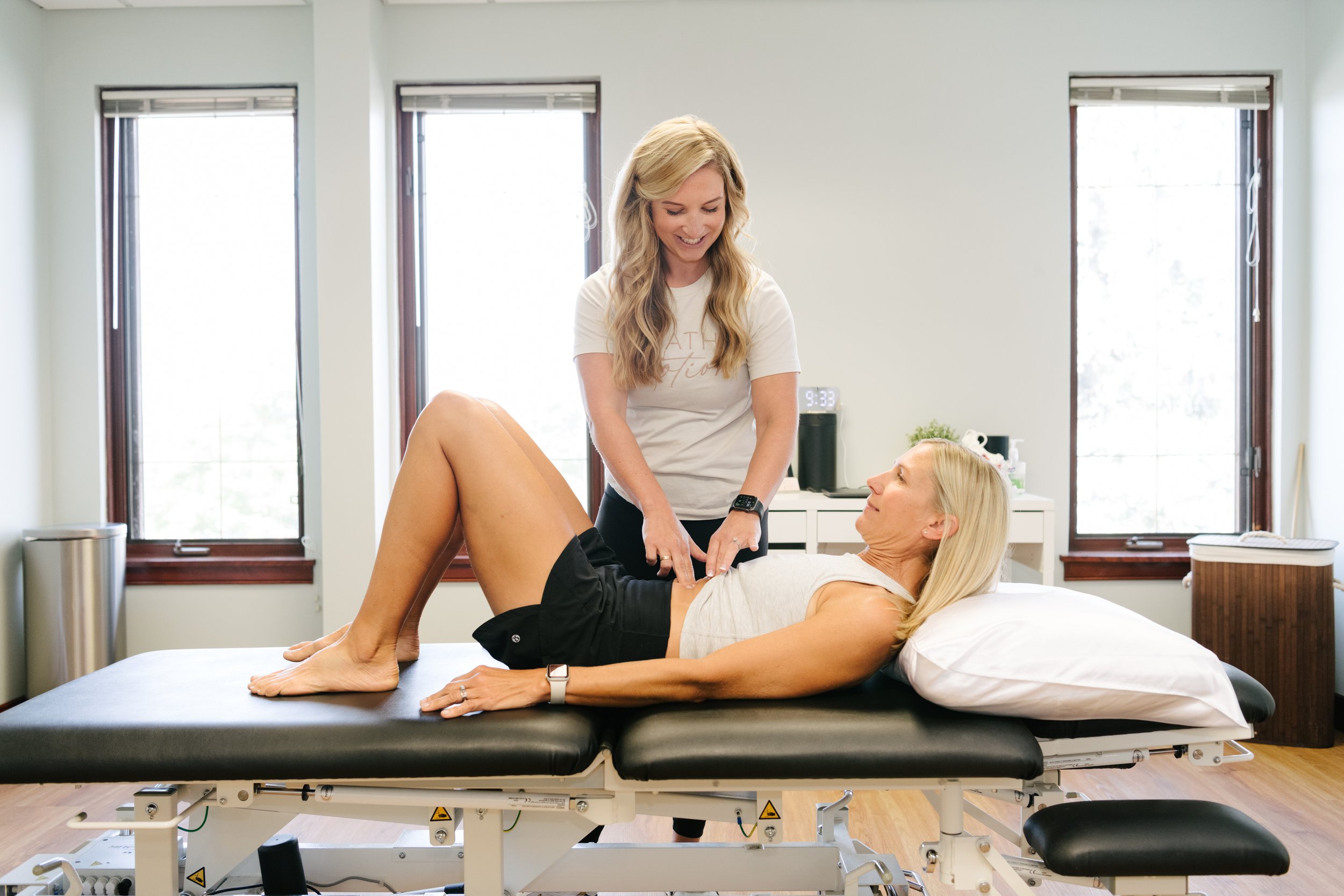
Tightness or discomfort along the ribcage when pressed
Why Upper Abdominal Gripping Happens
Many people experience this pattern despite consistent exercise and core training. The issue often stems from poor coordination between the diaphragm, core muscles, and pelvic floor.
These systems work together to manage pressure and stabilize the spine. When upper abdominal gripping occurs, this coordination breaks down. Pressure shifts downward through the core and pelvic floor instead of distributing evenly.
As a result, this imbalance can contribute to:
Increased pressure through the front of the abdomen, affecting diastasis recti
Rib, back, or pelvic pain
Urinary leakage
Lower core weakness
A feeling of heaviness or pressure in the pelvic floor
Why Breathing Matters for Core Function
The diaphragm plays a central role in core stability. When breathing patterns don’t support proper diaphragm movement, the body often compensates by gripping through the upper abdominals.
To address this pattern, start by improving how you breathe.
360 Breathing Exercise to Reduce Upper Abdominal Gripping
One effective exercise to retrain breathing and core coordination is 360 breathing.
Follow these steps:
Lie on your back with your knees bent and feet flat on the floor
Place one hand on your belly and one hand on your ribs
Inhale deeply and expand your belly upward while your ribs move outward to the sides
Imagine a bucket handle lifting and widening as you breathe
Complete 5–10 slow, controlled breaths
This exercise encourages balanced pressure through the diaphragm, core, and pelvic floor.
When to Seek Professional Support
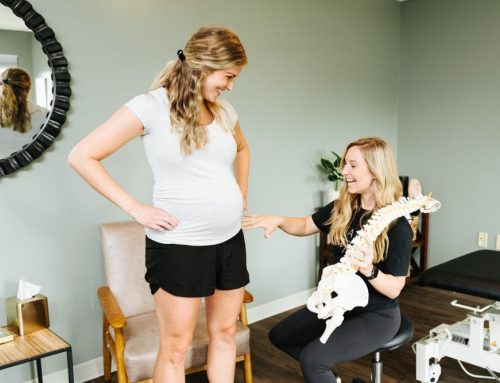
If you struggle to feel this breathing pattern or continue to experience symptoms, working with a trained physical therapist can help. Upper abdominal gripping often has multiple contributing factors that require individualized assessment.
With one-on-one guidance, a therapist can identify movement patterns, breathing strategies, and strength imbalances that affect your core. Together, you can build a personalized plan that restores balance, reduces symptoms, and improves how your body moves and feels.