Neck pain is common.
But it’s rarely simple.
Most people focus on the neck itself.
The real issue usually involves the entire upper body.
At Breathe in Motion, we help clients in Brookfield and Mequon address neck pain by looking at how the whole system moves—not just where it hurts.
Why Neck Pain Happens
Neck pain often builds over time.
Common contributors include:
- Prolonged sitting or desk work
- Frequent phone use
- Limited upper back mobility
- Muscle tightness and weakness
- Repetitive postures
Pain is usually the result of how your body is moving day to day.
How Posture and Muscle Imbalances Contribute
Posture is part of the picture—but it’s not the full story.
A common pattern we see:
- Tight chest muscles pull the shoulders forward
- The upper back rounds
- The head shifts forward
This increases strain on:
- neck muscles
- cervical joints
- surrounding tissues
At the same time, weakness in the upper back makes it harder to maintain alignment.
Why Neck Pain Keeps Coming Back
Stretching or resting may help temporarily.
But if you don’t address:
- Strength
- Mobility
- Movement habits
The pattern returns.
How Physical Therapy Treats Neck Pain
At Breathe in Motion, treatment focuses on:
- Restoring mobility
- Improving strength and control
- Changing movement patterns
Your plan is built around how your body actually moves—not a generic protocol.
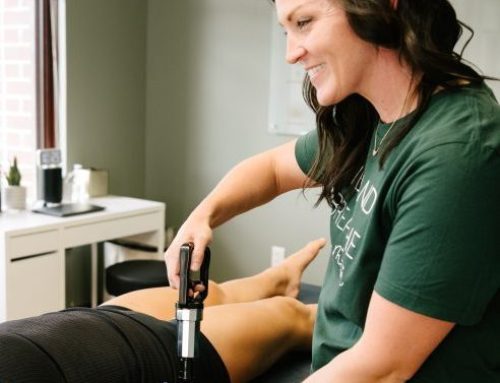
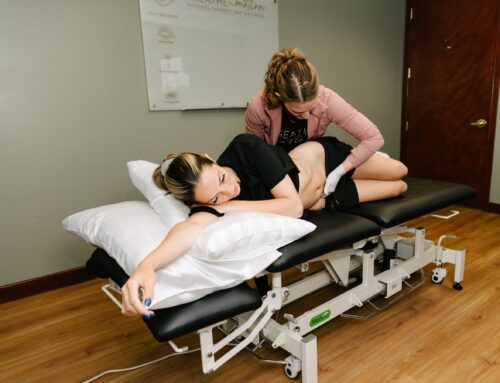
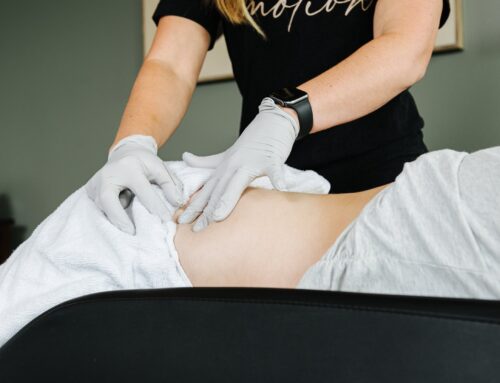
The Role of Manual Therapy
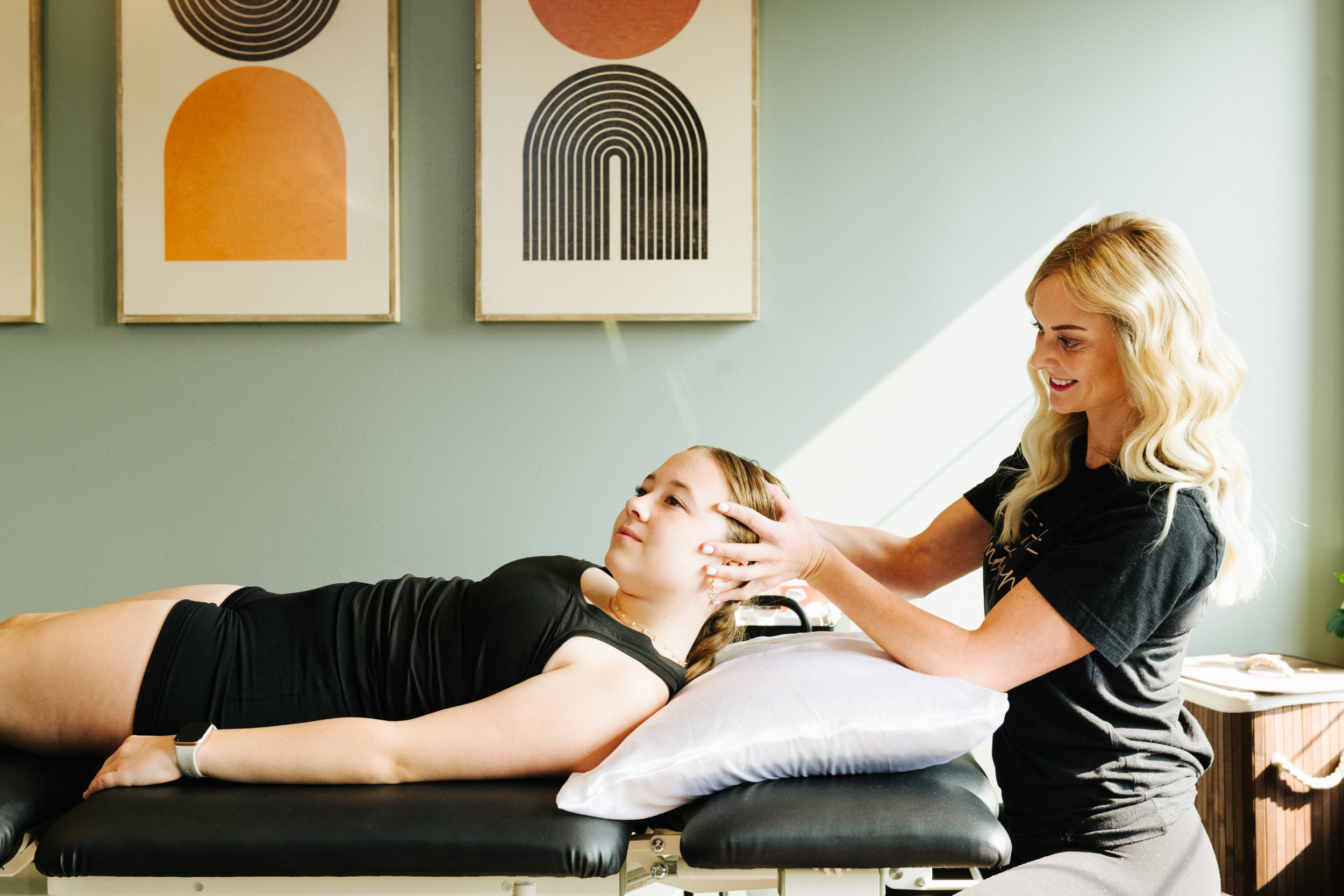
Hands-on treatment helps reset the system.
Techniques may include:
- Myofascial release
- Joint mobilization
- Dry needling
- Soft tissue work
What Manual Therapy Does
- Reduces muscle tension
- Improves joint mobility
- Restores normal movement
- Makes strengthening exercises more effective
It creates the window for change.
Movement makes that change stick.
Why Movement Is Essential
Hands-on work alone won’t solve neck pain.
You need strength and control to:
- support better posture
- reduce strain
- prevent recurrence
Exercises That Help
Start with movements that target the upper back and posture:
- Foam roller snow angels
- Band pull-aparts (palms up)
- Thread-the-needle rotations
These help:
- Improve thoracic mobility
- Strengthen postural muscles
- Reduce load on the neck
The Goal: Less Strain, Better Movement
You shouldn’t have to constantly “manage” your neck.
When the system works together:
- Movement feels easier
- Tension decreases
- Pain becomes less frequent
Neck Pain Physical Therapy in Brookfield & Mequon
If neck pain is lingering, recurring, or affecting your work, workouts, or sleep, this is exactly what we assess during your sessions.
Serving clients in Brookfield, Mequon, and the greater Milwaukee area.
Book your evaluation at Breathe in Motion and address the root cause of your neck pain.