Most athletes focus on training harder.
But progress doesn’t happen during the workout.
It happens during recovery.
At Breathe in Motion, we help athletes in Brookfield and Mequon understand how recovery supports performance, prevents injury, and keeps you consistent long-term.
What Is Recovery?
Recovery is the time your body uses to:
- Repair tissue
- Restore energy
- Rebuild strength
This includes:
- Rest days
- Sleep
- Nutrition and hydration
- Light movement and mobility work
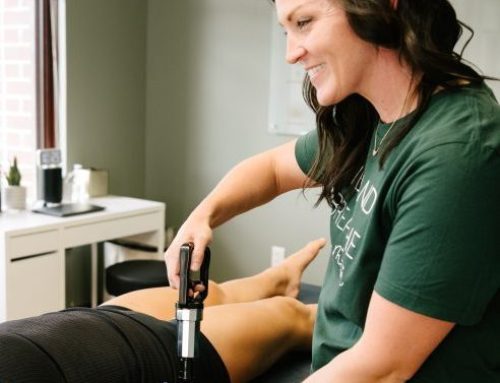
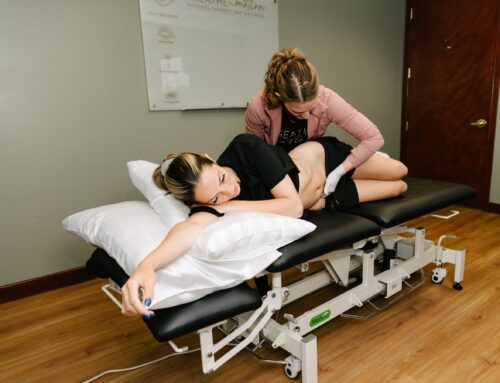
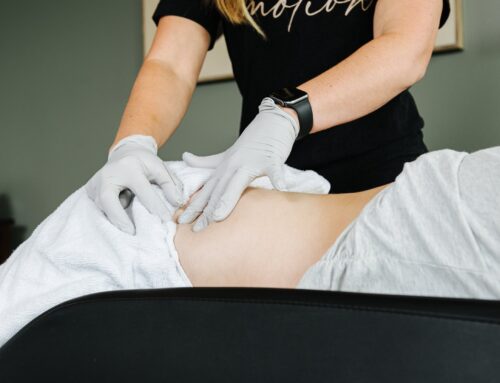
- Hands-on recovery techniques
Recovery is not a break from progress.
It is part of the process.
What Happens in Your Body After Training
Training creates stress. Recovery is how your body adapts to it.
Muscle Breakdown and Repair
Strength training and high-intensity workouts create small microtears in muscle tissue.
During recovery:
- your body repairs those fibers
- muscles rebuild stronger than before
Without enough recovery, that process gets interrupted.
Inflammation and Healing
Short-term inflammation is a normal part of training.
It helps:
- Signal repair
- Support tissue healing
But without proper recovery:
- inflammation can linger
- pain and fatigue increase
Nervous System Reset
Hard training also stresses your nervous system.
Recovery helps:
- Restore energy
- Improve coordination
- Prevent burnout
Why Recovery Impacts Performance
When recovery is dialed in, you’ll notice:
- Improved strength and endurance
- More consistent energy
- Faster progress between sessions
- Reduced injury risk
When recovery is ignored:
- Performance plateaus
- Fatigue builds
- Injuries become more likely
Common Signs You’re Not Recovering Well
- Persistent soreness
- Decreased performance
- Low energy or motivation
- Trouble sleeping
- Nagging aches or injuries
These are signals—not something to push through.
How to Improve Recovery
Recovery doesn’t mean doing nothing.
It means giving your body what it needs to adapt.
1. Active Recovery
Light movement helps:
- Improve circulation
- Reduce stiffness
- Support healing
Examples:
- Walking
- Yoga
- Mobility work
2. Sleep
Most recovery happens while you sleep.
Aim for 7–9 hours per night.
3. Nutrition and Hydration
Your body needs fuel to rebuild.
Focus on:
- Protein for muscle repair
- Carbohydrates for energy
- Healthy fats for overall function
- Consistent hydration
4. Movement and Bodywork
Targeted work can help:
- Reduce muscle tension
- Improve alignment
- Support movement quality
This may include:
- Manual therapy
- Myofascial release
- Guided mobility and core work
5. Structured Recovery Planning
If you’re training consistently, recovery should be intentional.
This includes:
- Managing training load
- Scheduling recovery sessions
- Addressing small issues early
Why Recovery Is Your Competitive Advantage
Anyone can train hard.
Athletes who recover well
- stay consistent
- avoid setbacks
- perform at a higher level over time
Performance & Recovery Support in Brookfield & Mequon
At Breathe in Motion, we help athletes build recovery strategies that match their training and goals.
Serving clients in Brookfield, Mequon, and the greater Milwaukee area.
Book your session to support recovery, reduce injury risk, and keep progressing toward your goals.