The menopause transition can bring changes that feel unexpected.
New symptoms. Shifts in your body. Things that don’t quite feel like “you.”
Many women notice these changes long before their final period—and often don’t realize they’re part of perimenopause.
At Breathe in Motion, we help women in Brookfield and Mequon understand what’s happening in their bodies and build a plan that supports strength, function, and confidence through this stage of life.
What Happens During Perimenopause and Menopause
Perimenopause is the transition leading up to menopause, when hormone levels begin to shift.
These changes can affect:
- Pelvic floor muscle function
- Bladder and bowel control
- Vaginal tissue health
- Pressure management
- Joint mobility and bone density
- Muscle mass, energy, and recovery
If you’ve been asking, “Is this normal?”
In many cases, yes.
The next step is understanding how to support your body through it.
Common Symptoms We Treat
Pelvic Pain and Discomfort
You may notice:
- Vaginal dryness or irritation
- Pain with intercourse
- Pelvic pressure or aching
- Discomfort with exercise
Lower estrogen levels can make tissues more sensitive.
We assess:
- muscle coordination
- tissue mobility
- breathing patterns
- full-body movement
Then build a plan to reduce pain and improve function.
Urinary Leakage (Stress or Urge Incontinence)
Common signs include:
- Leaking with coughing, sneezing, or jumping
- Strong urgency to get to the bathroom
- Increased frequency
We evaluate:
- Pelvic floor strength and timing
- Muscle tension or overactivity
- Pressure management strategies
- Bladder habits
The goal is control—not just “managing” symptoms.
Pelvic Organ Prolapse
You may feel:
- Heaviness in the pelvis
- Pressure at the vaginal opening
- A sensation of “dropping”
We address:
- Pelvic floor coordination
- Strength through functional movement
- Breathing and pressure strategies
- Contributing factors like constipation
Headaches, Neck, and Jaw Tension
Hormonal shifts can influence:
- Headaches
- Jaw tension
- Neck and upper back stiffness
We focus on:
- Reducing muscle tension
- Improving posture and mobility
- Supporting nervous system regulation
Joint Pain and Muscle Weakness
Many women notice:
- Increased stiffness
- Reduced strength
- Slower recovery
Estrogen plays a role in both muscle and bone health.
We incorporate progressive strength training, mobility work & joint support strategies.
How Pelvic Floor Physical Therapy Helps
This is not just about Kegels.
Pelvic floor therapy helps you:
- Understand what’s changing in your body
- Improve pelvic floor coordination and strength
- Reduce pain and discomfort
- Improve bladder and bowel control
- Support tissue health
- Build strength and resilience
- Improve confidence with movement and exercise
Why Early Support Matters
Many symptoms start during perimenopause—not after.
Addressing them early can:
- Prevent progression
- Improve long-term outcomes
- Keep you active and confident
Our Approach at Breathe in Motion
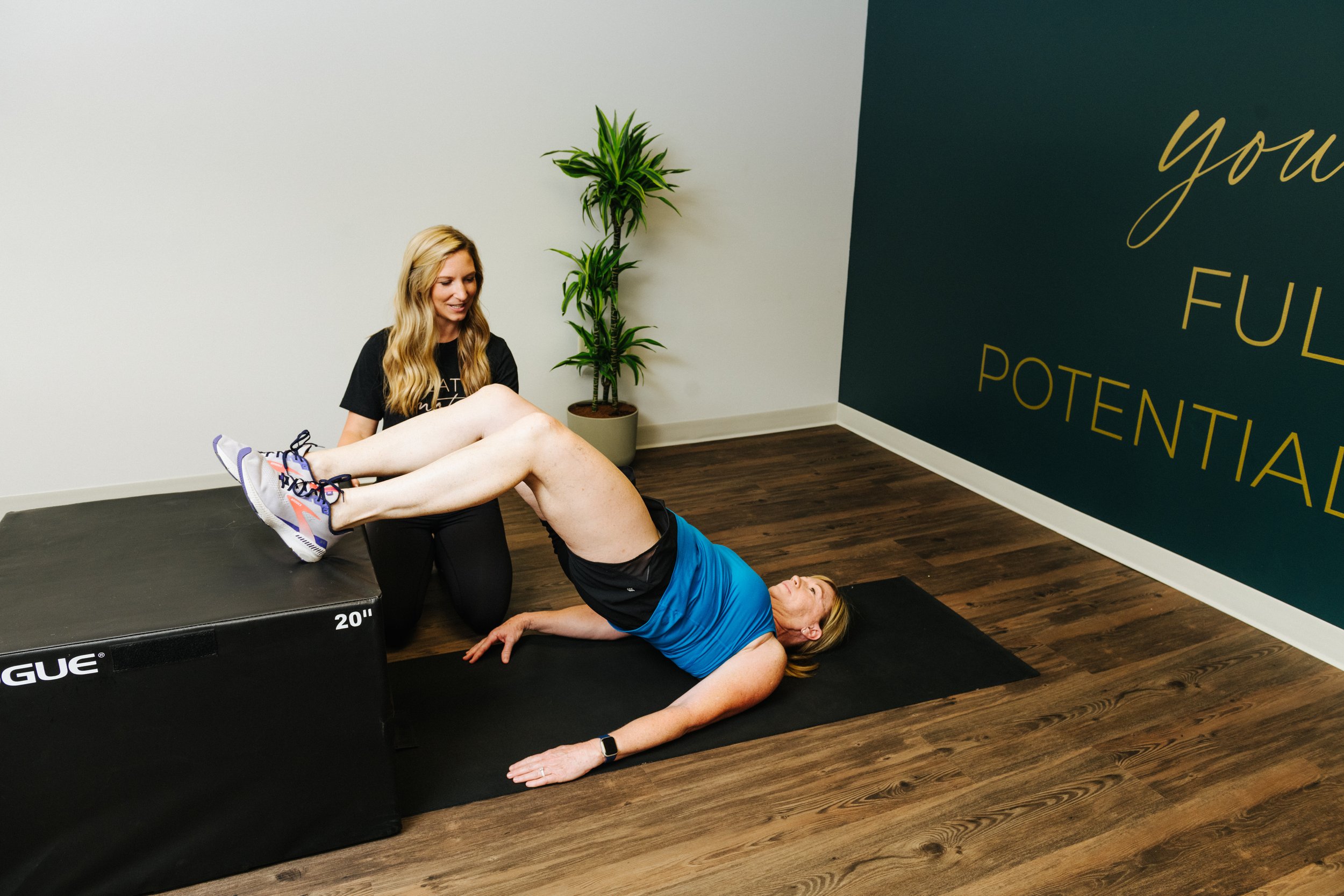
We take a full-body, individualized approach.
Your plan may include:
- Pelvic floor therapy
- Strength training
- Pilates-based movement
- Manual therapy
- Education and habit changes
Everything is built around your goals and lifestyle.
The Goal: Strength, Confidence, and Control
This stage of life doesn’t mean slowing down.
It’s an opportunity to build strength, improve awareness, & take control of your health.
Menopause & Pelvic Health PT in Brookfield & Mequon
If you’re noticing new symptoms and want clarity on what’s happening, this is exactly what we assess during your sessions.
Serving women in Brookfield, Mequon, and the greater Milwaukee area.
Book your evaluation at Breathe in Motion and feel supported through every stage of the menopause transition.