Foot and ankle injuries are the most common injuries we see in dancers—and one of the biggest factors limiting performance.
At Breathe in Motion, we treat dancers in Brookfield and Mequon every year who are dealing with foot pain, ankle instability, or recurring injuries that won’t fully resolve.
Because the foot and ankle absorb high loads during jumping, turning, and landing, this area is especially vulnerable—especially when training volume increases.
Why Foot and Ankle Injuries Are So Common in Dancers
Dance requires:
- Repetitive impact
- Extreme ranges of motion
- Prolonged time in plantarflexion (on the balls of the feet or pointe)
Over time, this can lead to overload—especially when strength and control don’t match the demands of training.
Foot and ankle injuries often develop from:
- Sudden increases in training
- Repetitive microtrauma
- Poor load distribution
- Limited strength or stability
Common Foot and Ankle Injuries in Dancers
We commonly see:
- Stress fractures (metatarsals, tibia, sesamoids)
- Achilles tendinopathy
- Ankle impingement
- Recurrent ankle sprains
- Sever’s disease (in younger dancers)
These injuries can develop gradually—and often worsen if not addressed early
When to Rest or Seek Help
Pain is often the first sign that something isn’t being managed well.
You should get evaluated if you notice:
- Pain with weight-bearing, walking, or jumping
- Pain during turns, leaps, or landings
- Persistent soreness that doesn’t improve
- Sharp or localized pain in the foot or ankle
Continuing to train through these symptoms can increase the risk of more serious injuries like stress fractures.
How to Prevent Foot and Ankle Injuries in Dancers
1. Strengthen the Foot Intrinsic Muscles
The small muscles in your foot play a major role in stability and control.
Exercises like:
- Arch lifts
- Toe spreading and control
- Big-toe vs. lesser-toe activation
Help improve how your foot handles load during dance.
2. Build Ankle Strength and Stability
Strong ankles are essential for:
- Turning
- Jumping and landing
- Sustained positions on the ball of the foot
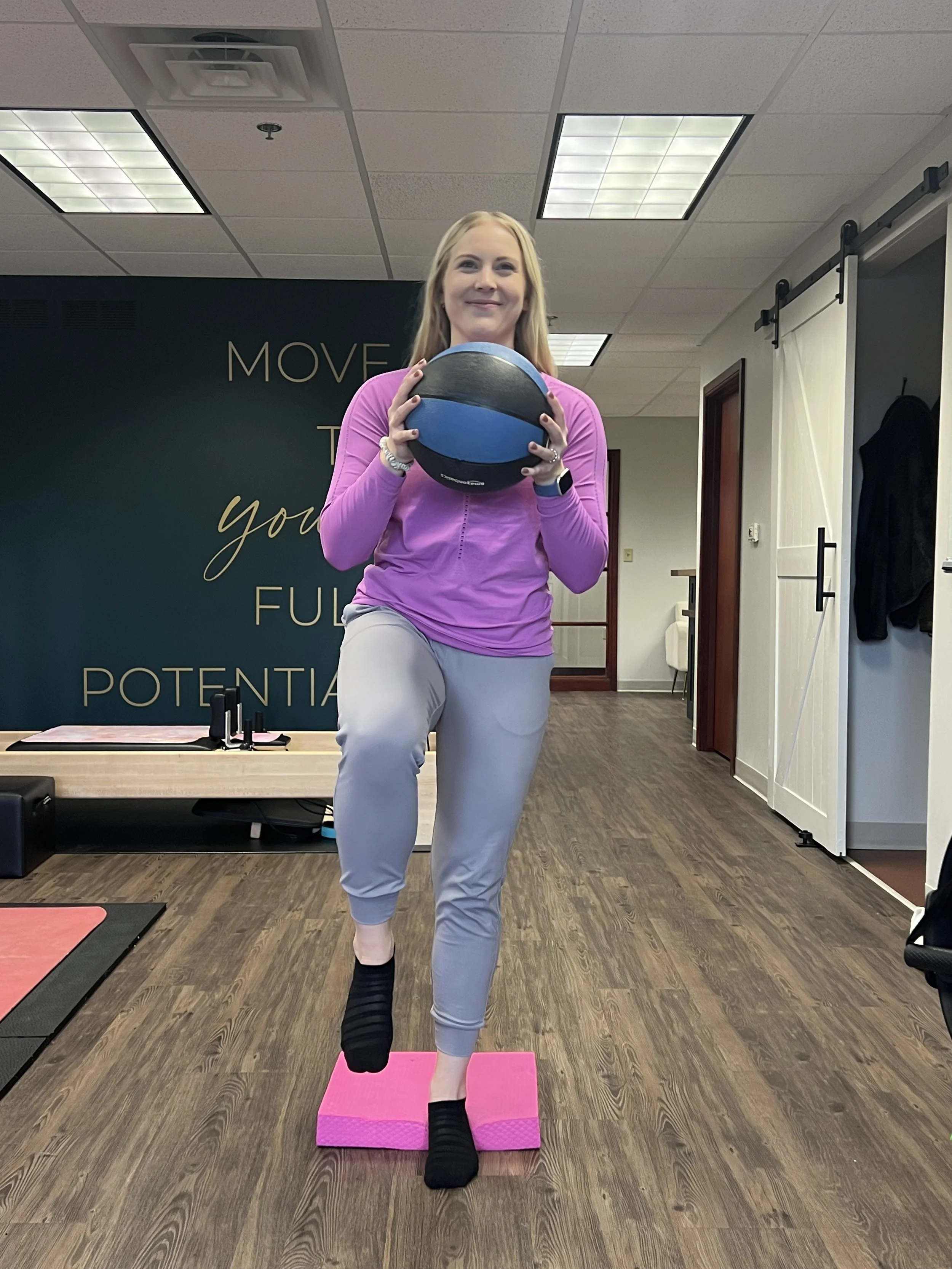
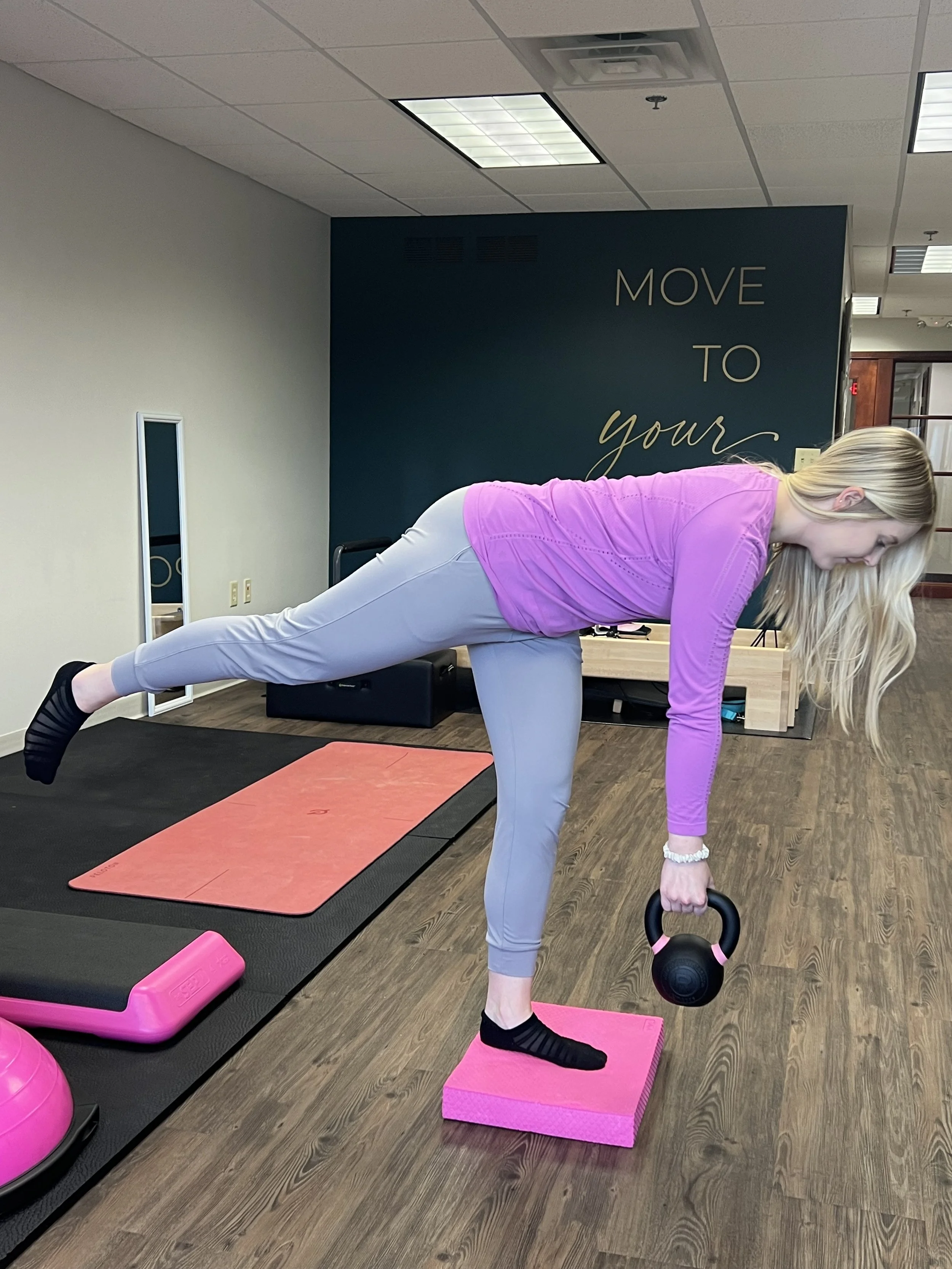
Single-leg balance work is key.
You can progress by:
- Adding upper body movement
- Tossing a ball
- Closing your eyes
- Using unstable surfaces
These variations train your ankle to adapt to real dance demands.
3. Train Landing and Impact Control
Single-leg hopping and landing drills help:
- Improve force absorption
- Reduce strain on joints
- Decrease risk of sprains and stress injuries
This is especially important for dancers performing repetitive jumps and leaps.
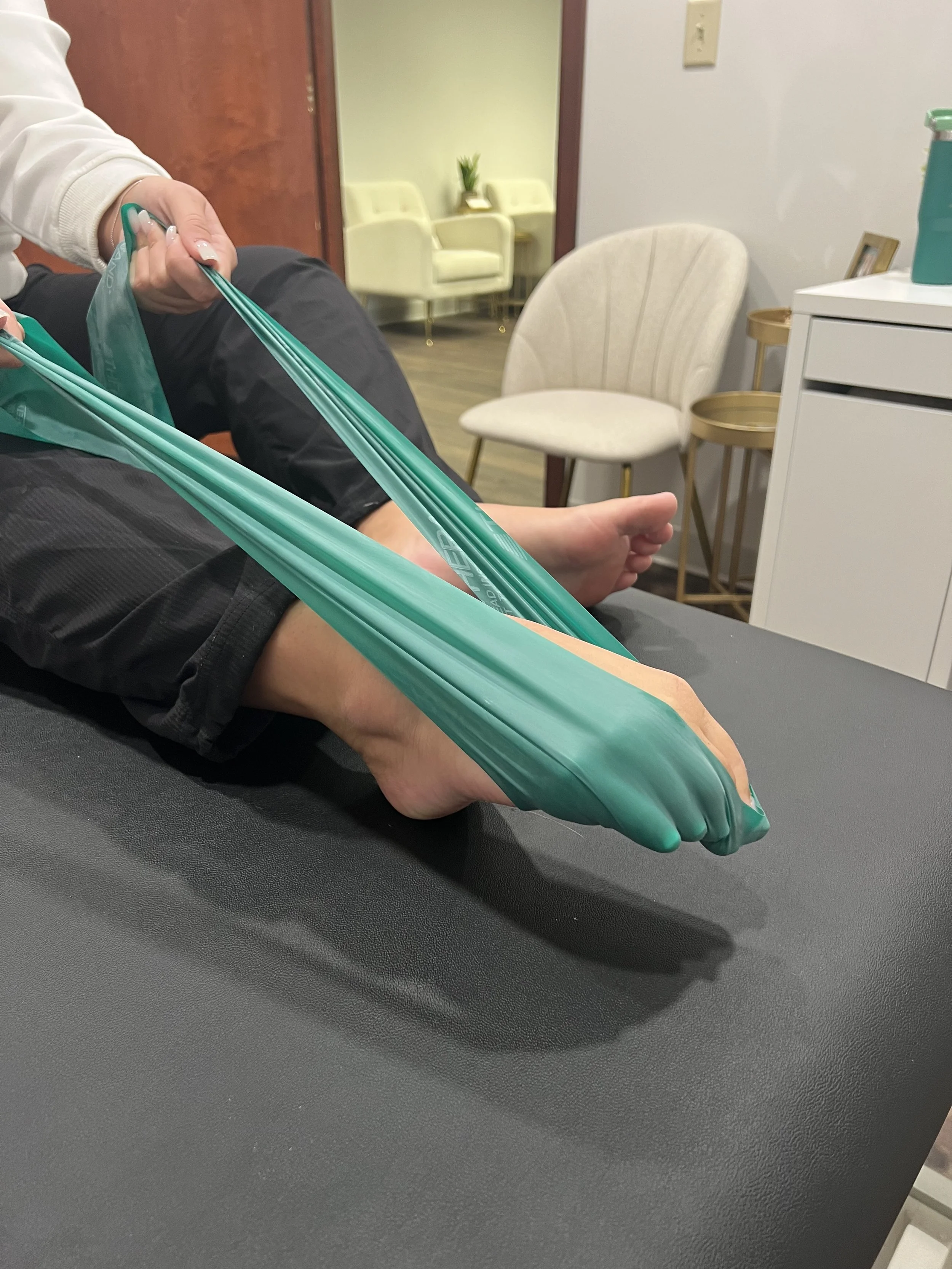
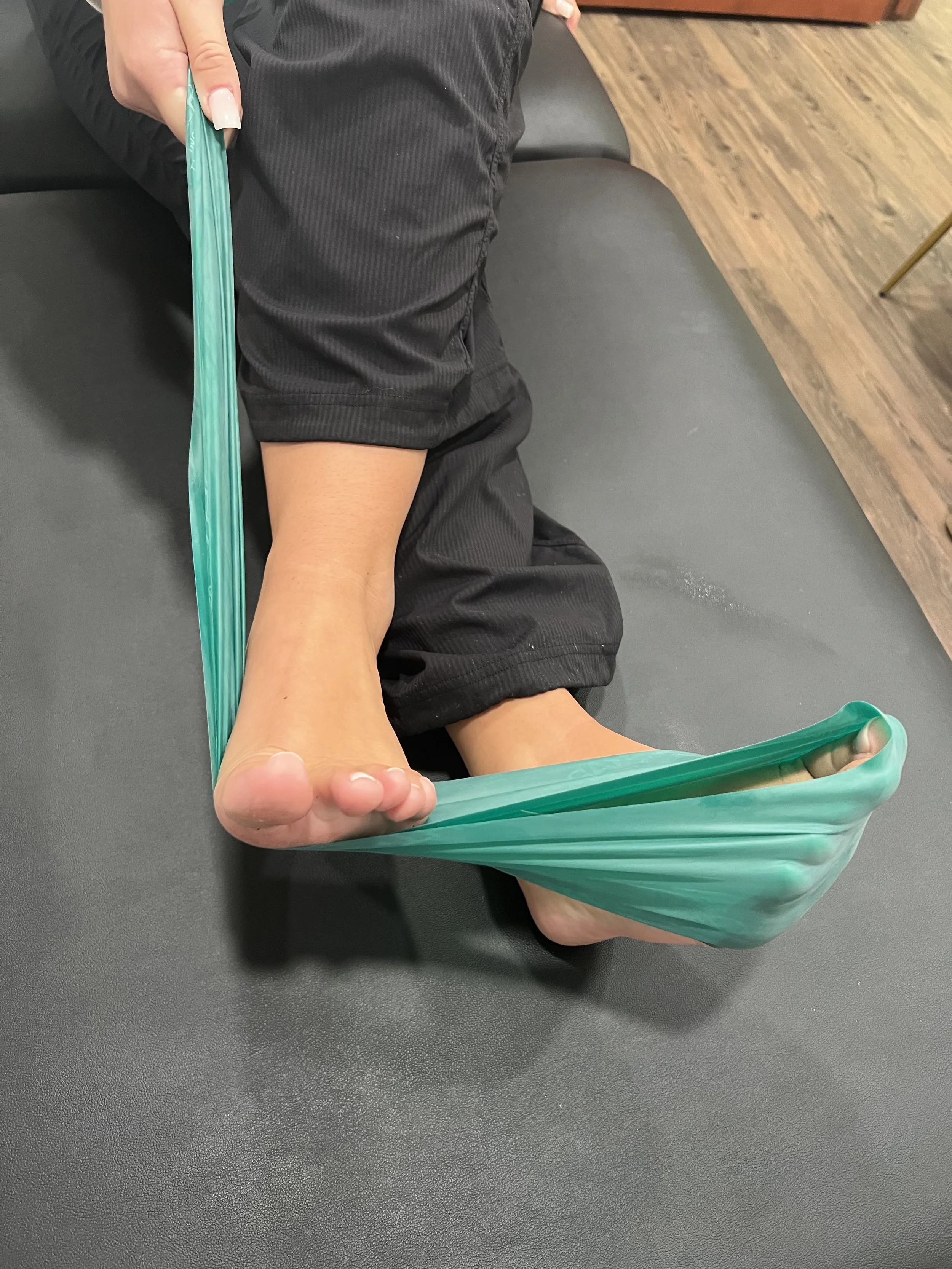
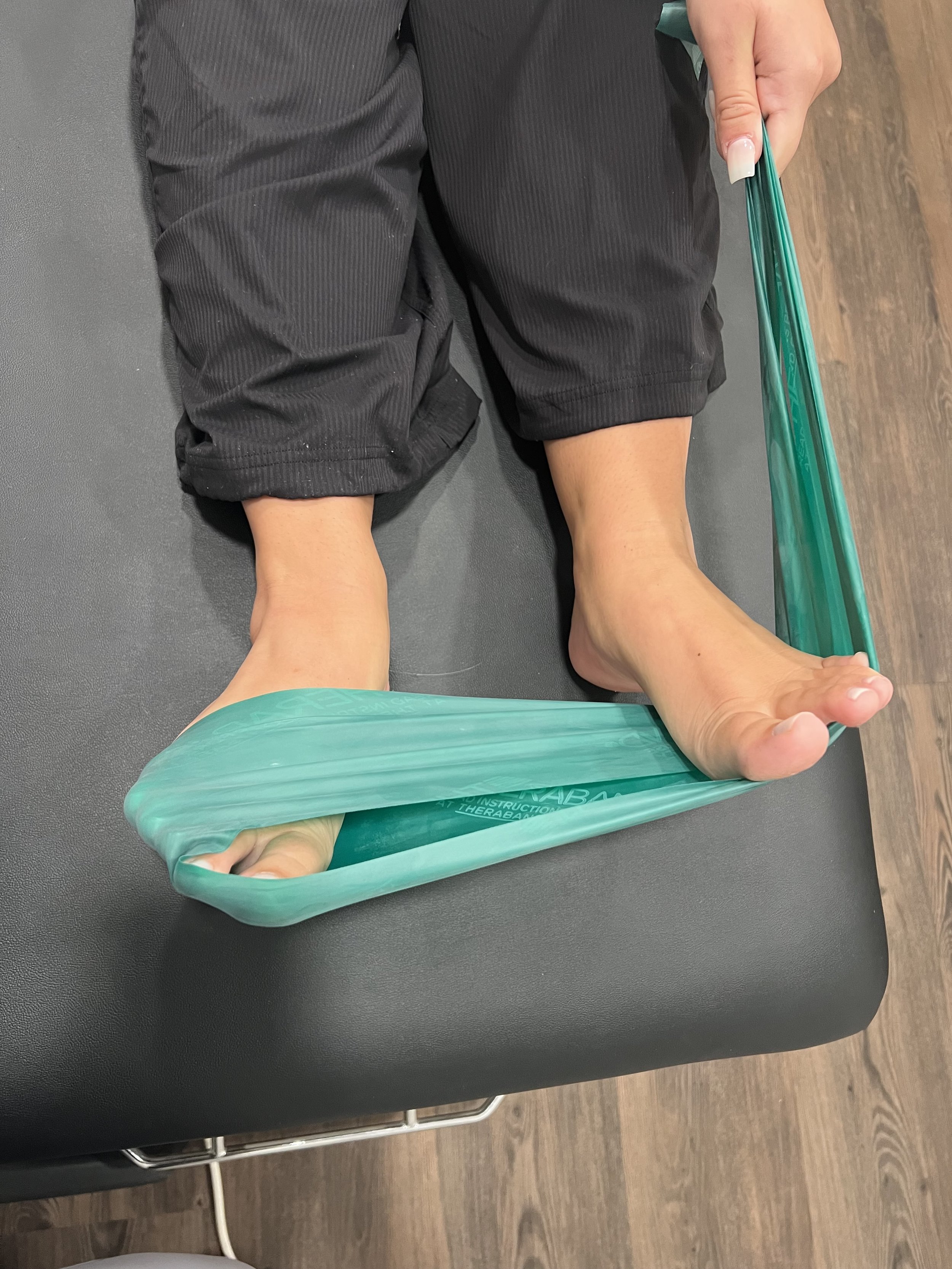
4. Strengthen Through Full Range of Motion
Using resistance bands for:
- Pointing (plantarflexion)
- Flexing (dorsiflexion)
- Side-to-side control
Helps build strength across all directions of movement.
Why Injuries Keep Coming Back
Rest alone may reduce symptoms—but it doesn’t address the root cause.
Foot and ankle injuries tend to return when:
- Strength isn’t fully restored
- Stability is lacking
- Movement patterns overload certain areas
- Training increases too quickly
Without addressing these factors, the cycle continues.
How Dance Physical Therapy Helps
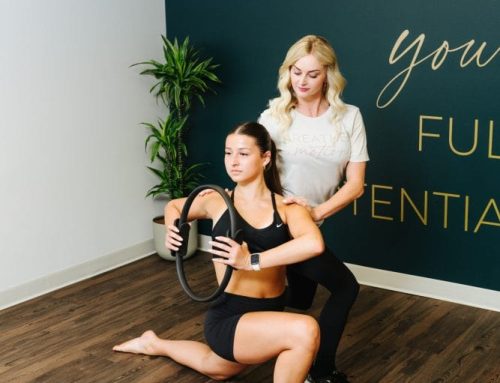
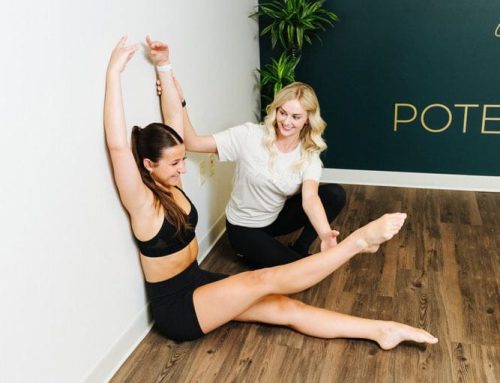
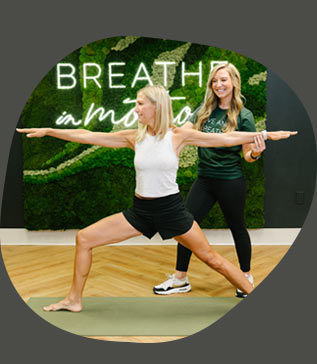
At Breathe in Motion, we take a full-body approach to dancer care.
We don’t just treat the foot—we look at how the entire body contributes to movement.
1. Identify the Root Cause
We assess:
- Foot and ankle strength
- Balance and coordination
- Hip and core control
- Movement patterns during dance
2. Build Strength and Stability
We target:
- Foot intrinsic muscles
- Ankle stabilizers
- Lower body and core
3. Improve Movement Mechanics
We retrain:
- Landing patterns
- Force absorption
- Alignment during movement
4. Guide a Safe Return to Dance
We help dancers return to:
- Class
- Practice
- Performance
With confidence and reduced risk of reinjury.
Foot and Ankle Physical Therapy for Dancers in Brookfield & Mequon
Foot and ankle health plays a major role in how you move, perform, and stay in dance long-term.
Serving dancers in Brookfield, Mequon, and the greater Milwaukee area.
Book your dance physical therapy evaluation at Breathe in Motion and get a plan built for your body, your training, and your goals.