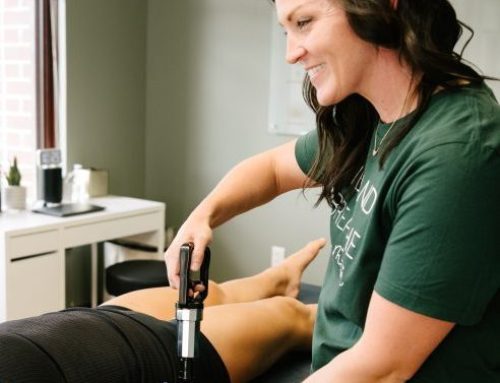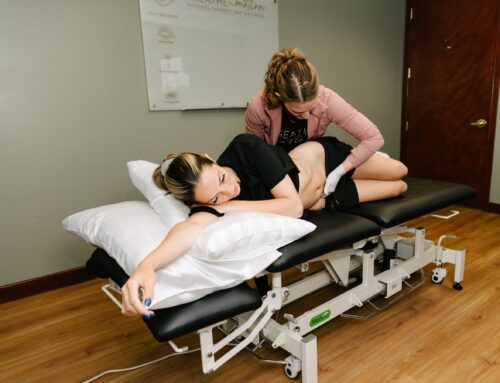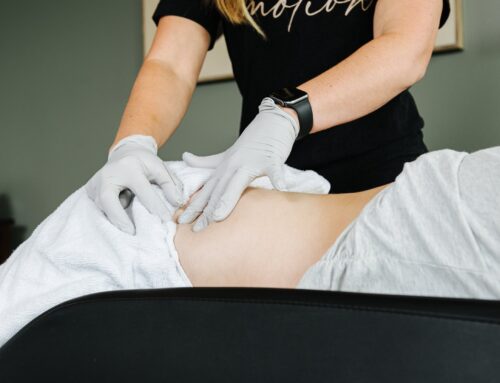
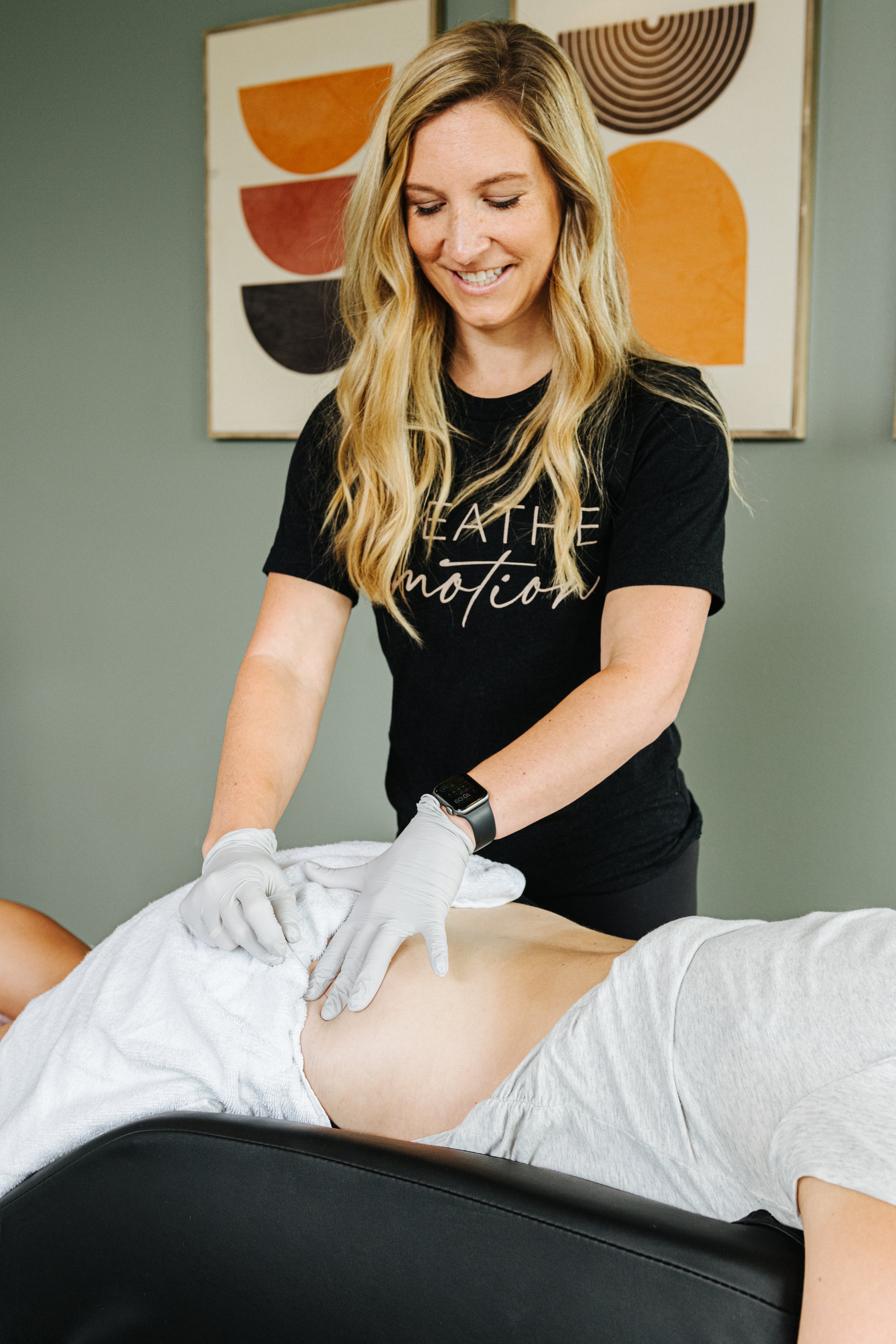
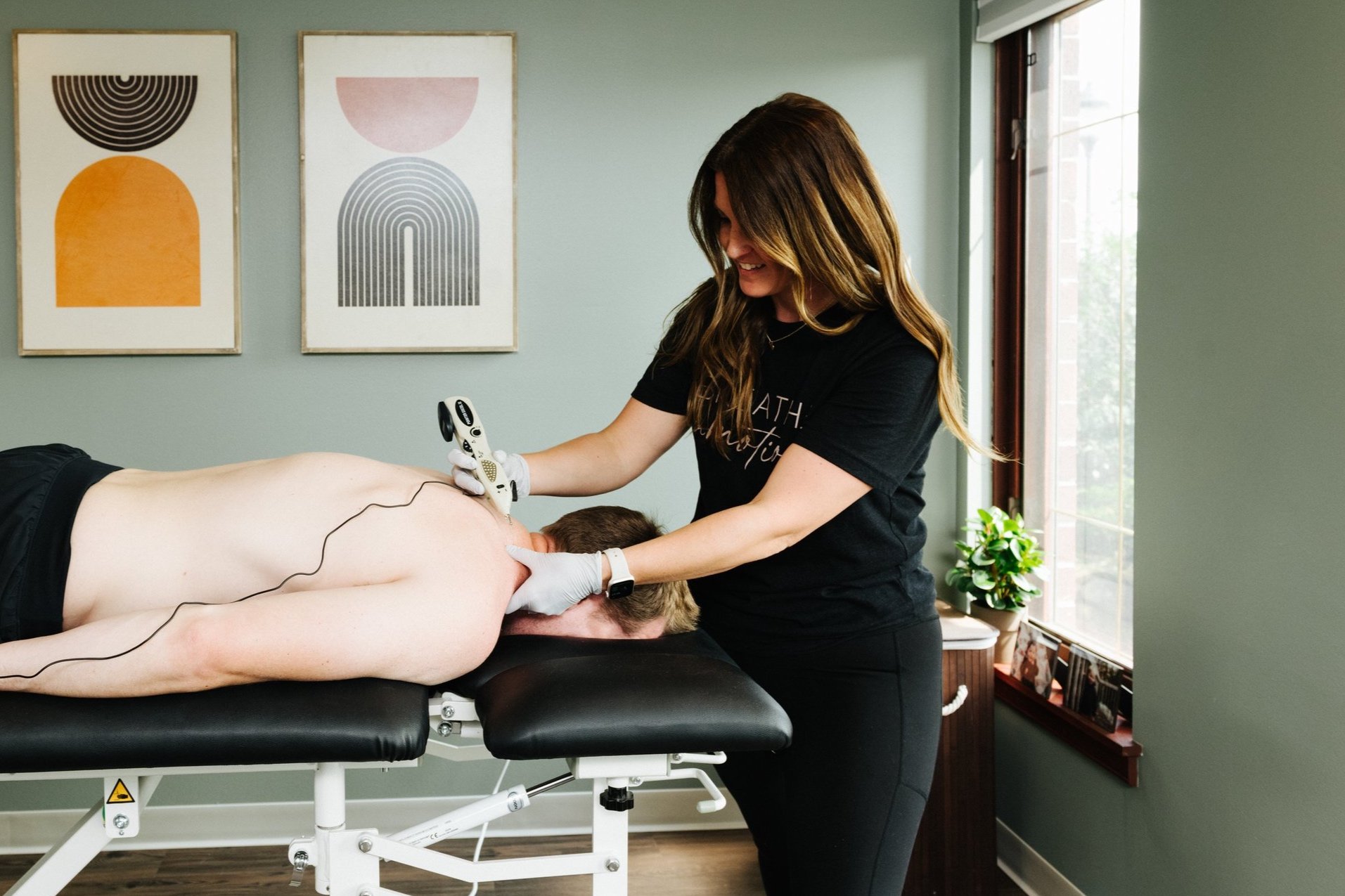
Dry needling is one of the most effective tools we use to reduce pain, restore movement, and help the body recover more efficiently.
At Breathe in Motion, we use dry needling as part of a larger, movement-based approach—so you’re not just getting temporary relief, but lasting change.
If you’ve been dealing with muscle tension, persistent pain, or an injury that isn’t improving, dry needling may be a helpful piece of your plan.
What Is Dry Needling?
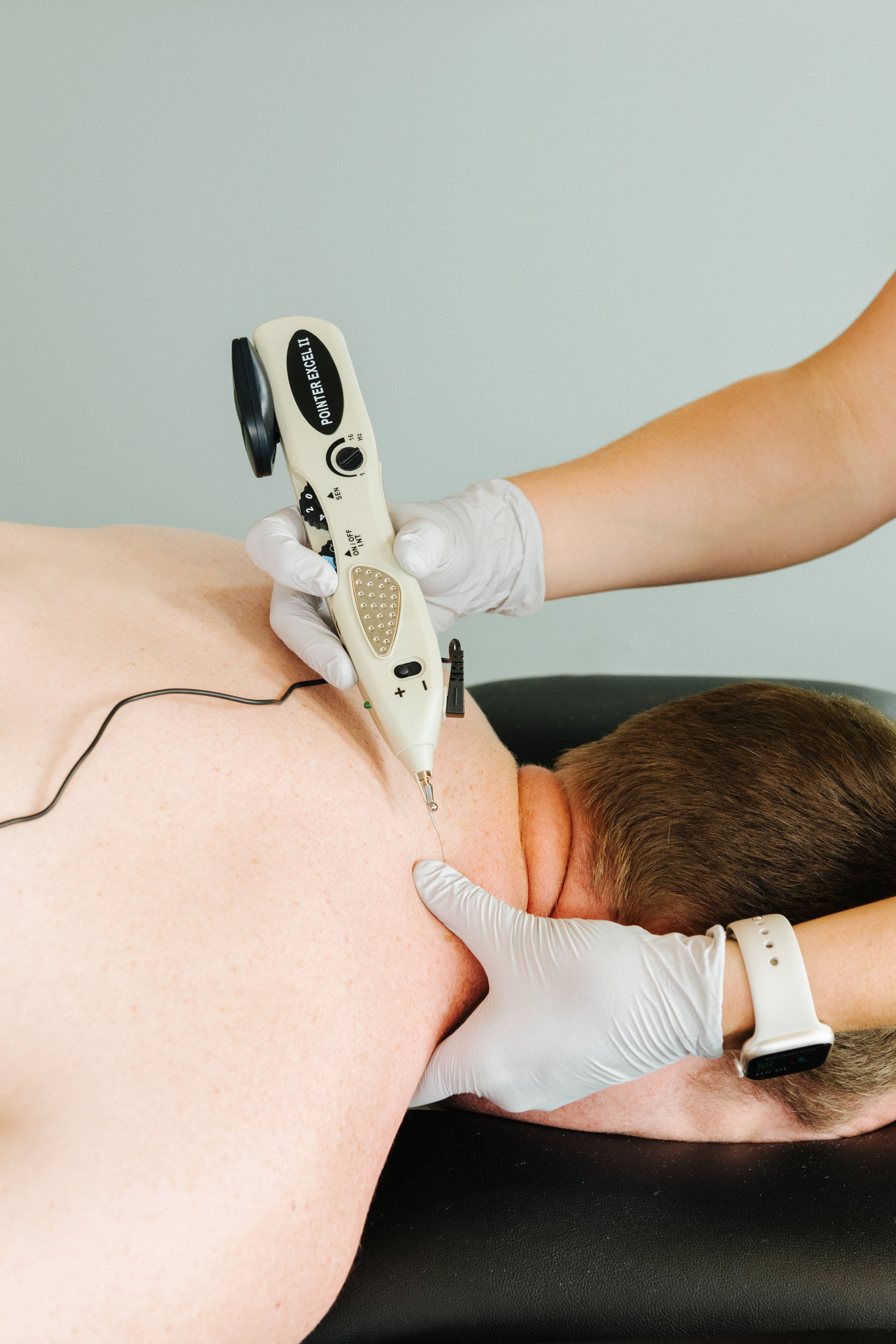
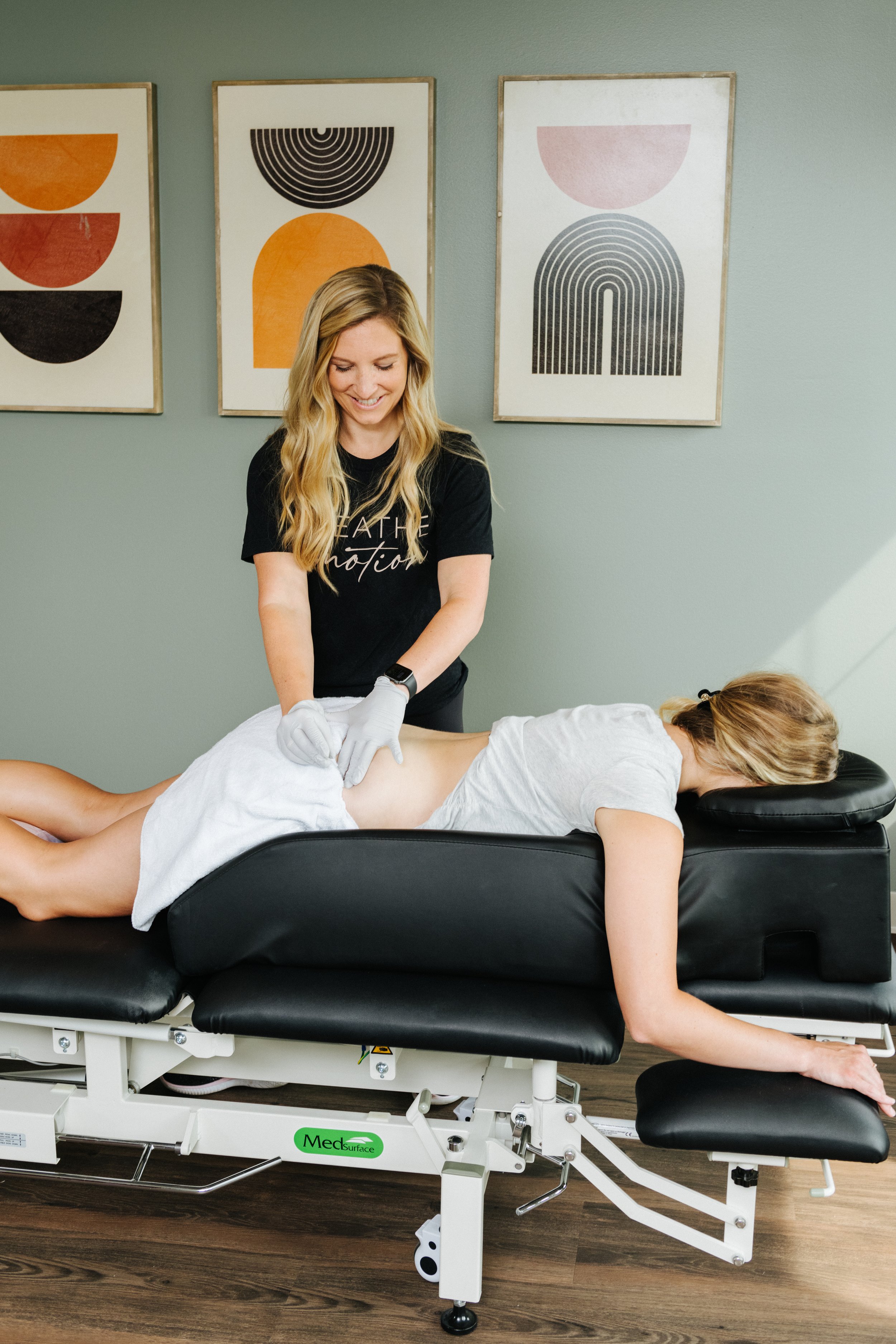
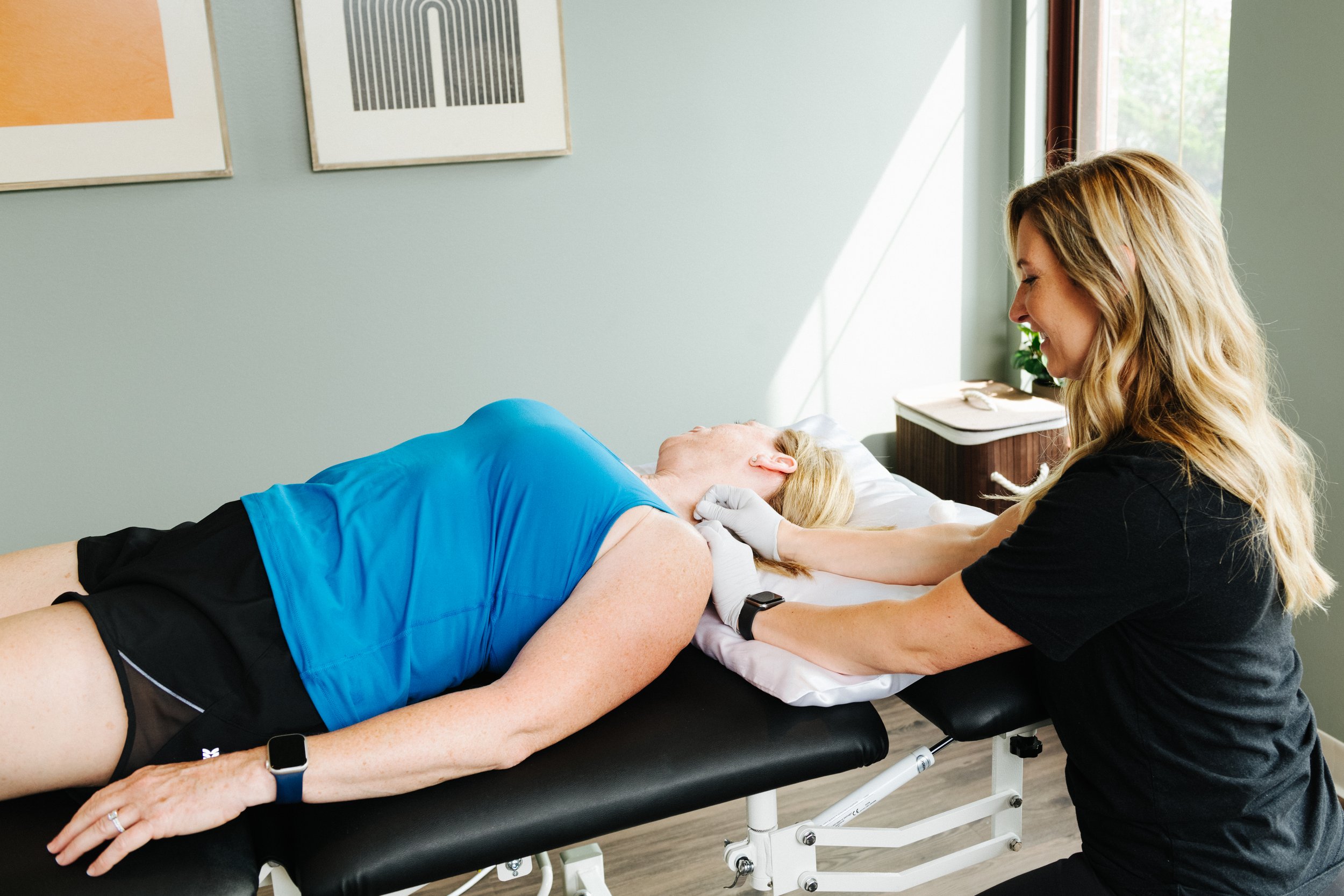
Dry needling involves inserting a thin, sterile needle into specific areas of muscle or tissue.
There is no medication or injection involved.
The goal is to target:
- Muscle tightness and trigger points
- Irritated or overloaded tissue
- Areas of restricted movement
While the needles are similar to acupuncture, dry needling is based on modern anatomy and movement science.
How Dry Needling Works
Dry needling affects the body at both a local and system-wide level.
It can help:
- Reduce muscle tension and improve mobility
- Decrease pain sensitivity
- Improve blood flow to the area
- Support tissue healing and recovery
- Restore normal muscle activation
When a needle is placed into a tight or overactive muscle, it often creates a small twitch response. This helps reset how the muscle is functioning.
What Does Dry Needling Feel Like?
Experiences vary, but you may notice:
- A brief muscle twitch
- A dull ache or pressure
- Temporary soreness after treatment
These responses are normal and often indicate that the targeted tissue is being affected.
Many people notice:
- improved movement
- reduced tension
- decreased pain
Within a short period of time.
Is Dry Needling Safe?
Dry needling is very safe when performed by a trained physical therapist.
At Breathe in Motion:
- We complete a thorough evaluation first
- We use precise anatomical knowledge
- We tailor treatment to your comfort level
Some mild soreness or bruising can occur, but serious side effects are rare.
Dry Needling vs. Acupuncture
Both use similar needles, but the approach is different.
- Dry needling focuses on muscles, movement, and pain
- Acupuncture is based on traditional Chinese medicine
At Breathe in Motion, dry needling is always combined with strength, movement & long-term rehab.
What Conditions Can Dry Needling Help?
Dry needling can be helpful for a wide range of conditions, including:
- Neck pain and headaches
- Shoulder pain and rotator cuff issues
- Low back pain
- Hip and glute pain
- Knee pain and tendinopathy
- Shin splints and calf tightness
- Achilles pain
- Plantar fasciitis
- Tennis elbow and golfer’s elbow
- Muscle strains and overuse injuries
It’s especially effective for:
Why Dry Needling Alone Isn’t Enough
Dry needling can reduce pain and improve mobility—but it’s not the full solution.
To create lasting results, we combine it with:
- Strength training
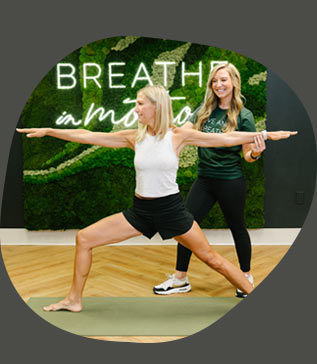
- Movement retraining
- Load management
This is what prevents symptoms from coming back.
How We Use Dry Needling at Breathe in Motion
We don’t use dry needling as a quick fix.
We use it to:
- Calm irritated tissue
- Improve movement
- Create a window for strength and rehab
So your body can actually adapt and improve.
The Goal: Move Better, Not Just Feel Better
Dry needling helps reduce symptoms.
But the real goal is restoring how your body moves and performs
So you can stay active without recurring pain.
Dry Needling in Brookfield & Mequon
If you’re dealing with muscle tension, pain, or an injury that isn’t improving, this is something we can assess during your evaluation.
Serving clients in Brookfield, Mequon, and the greater Milwaukee area.
Book your physical therapy evaluation at Breathe in Motion to see if dry needling is the right fit for your plan.