Knee osteoarthritis is one of the most common causes of knee pain.
It often shows up as:
- Stiffness in the morning
- Decreased knee mobility
- Pain with walking, squatting, or stairs
But knee osteoarthritis doesn’t mean you have to stop being active.
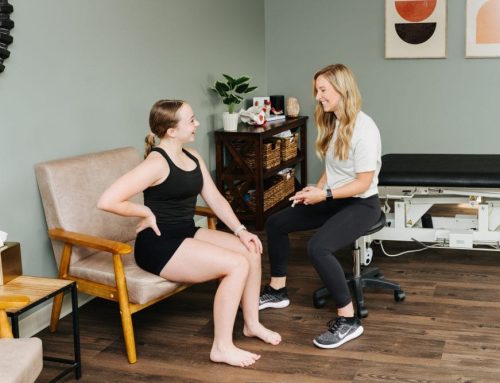
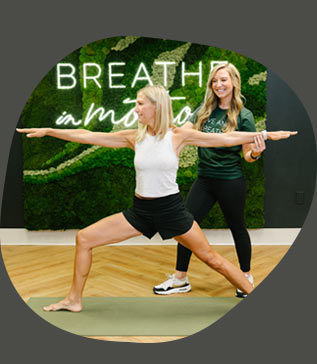
At Breathe in Motion, we help people in Brookfield and Mequon manage knee pain, improve movement, and stay active with a plan that focuses on strength, mobility, and long-term function.
What Is Knee Osteoarthritis?
Knee osteoarthritis involves changes to the joint over time, including cartilage wear and joint irritation.
But what shows up on imaging doesn’t always match how you feel.
Some people have significant changes on X-ray with little pain
Others have pain with minimal visible changes
This is why treatment should focus on how your knee functions—not just what imaging shows.
Wy Knee Osteoarthritis Causes Pain
Pain doesn’t come from just one structure.
It can be influenced by:
- Joint inflammation
- Bone stress within the joint
- Muscle tightness or weakness
- Sensitivity of the nervous system
- Previous injury or movement patterns
This is why a full-body approach works best.
Common Symptoms of Knee Osteoarthritis
- Stiffness, especially in the morning or after sitting
- Pain with walking, stairs, or squatting
- Reduced knee mobility
- Swelling or irritation after activity
These symptoms often improve with the right type of movement—not rest alone.
Why Movement Matters
Avoiding movement can make symptoms worse over time.
Movement helps:
- Circulate joint fluid
- Reduce stiffness
- Maintain mobility
Simple activities like:
- Walking
- Cycling
- Gentle range of motion exercises
Can make a meaningful difference.
How to Improve Knee Pain and Function
1. Restore Knee Mobility
Keeping the knee moving is key.
Helpful strategies include:
- Repeated bending and straightening
- Gentle sustained stretches
- Cycling for low-impact motion
2. Build Strength Around the Knee
The knee relies on surrounding muscles for support.
Strengthening:
- Quadriceps
- Hamstrings
- Glutes
Helps reduce stress on the joint.
Exercises like:
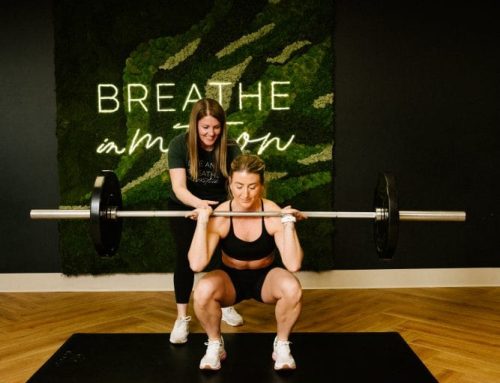
- Squats
- Step-ups
- Lunges
Can be modified to your tolerance and progressed over time.
3. Improve Balance and Control
Balance plays a bigger role than most people think.
Improving:
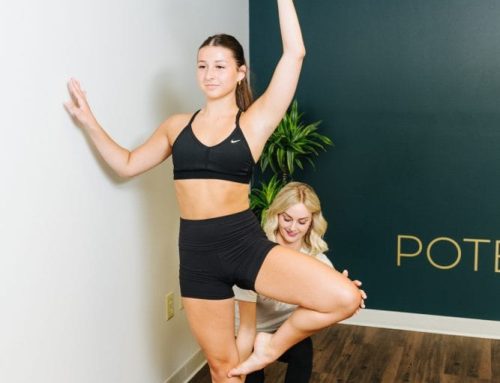
- Single-leg stability
- Coordination
Helps reduce joint stress and improve confidence with movement.
4. Manage Load, Not Avoid It
The goal isn’t to stop activity—it’s to find the right level.
Too little movement → stiffness and weakness
Too much too fast → irritation
Finding the right balance helps the knee adapt.
5. Consider Body Weight and Load
Reducing overall load on the knee can help.
Even small changes—around 5–10% of body weight—can improve symptoms when combined with movement and strength.
Additional Treatment Options
Depending on your needs, treatment may include:
- Physical therapy for individualized strength and mobility
- Manual therapy and hands-on techniques
- Dry needling to reduce muscle-related pain
- Guidance on activity modification
- Medical options such as anti-inflammatories or injections when appropriate
Why Physical Therapy Helps
At Breathe in Motion, we don’t just treat the knee—we look at how your whole body moves.
We help you:
- Improve strength and mobility
- Reduce pain
- Stay active
- Build confidence in your movement
The Goal: Keep You Moving
Knee osteoarthritis doesn’t mean slowing down—it means moving smarter.
With the right plan, many people:
- Reduce pain
- Improve function
- Stay active long-term
Knee Pain Physical Therapy in Brookfield & Mequon
If knee pain is limiting your daily activity, this is exactly what we assess during a full evaluation.
Serving clients in Brookfield, Mequon, and the greater Milwaukee area.
Book your physical therapy evaluation at Breathe in Motion and get a plan built to help you move with less pain and more confidence.