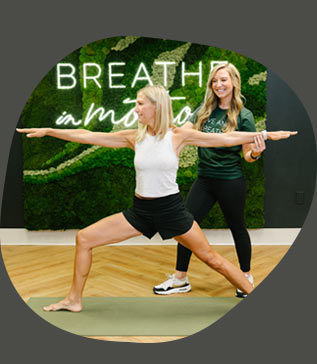
Pelvic pain can feel confusing, frustrating, and often hard to explain.
It might show up during workouts, while sitting, with certain movements, or seemingly out of nowhere. For many women, it becomes something they work around instead of something they address.
Pelvic pain is common—but it’s not something you have to live with.
At Breathe in Motion, we help active women and athletes in Brookfield and Mequon understand what’s driving their symptoms and build a plan to move, train, and live without pain.
What Is Pelvic Pain?
Pelvic pain refers to discomfort in the lower abdomen, hips, or pelvic region. It can be:
- Sharp or dull
- Constant or intermittent
- Triggered by movement, exercise, or prolonged positions
For active women, pelvic pain often shows up during:
- Running or high-impact activity
- Strength training or lifting
- Core exercises
- Sitting for extended periods
Common Causes of Pelvic Pain in Active Women
Pelvic pain rarely comes from one single issue. It’s usually a combination of factors involving strength, coordination, and how your body handles load.
Pelvic Floor Muscle Tension or Dysfunction
The pelvic floor can become overactive, underactive, or poorly coordinated.
This can lead to:
- Pain with movement
- Discomfort during exercise
- A feeling of tightness or restriction
Core and Pelvic Floor Coordination Issues
Your pelvic floor and core are designed to work together.
When they’re not coordinated:
- Pressure isn’t managed well
- Muscles compensate
- Pain develops over time
Hip and Movement Mechanics
Pelvic pain is often influenced by how the hips and trunk move.
Limited mobility or poor control can shift stress into the pelvic region—especially during running or lifting.
Pregnancy, Postpartum, and Hormonal Changes
Changes during pregnancy and postpartum affect how your body generates and absorbs force.
Hormonal shifts (including during perimenopause and menopause) can also influence tissue behavior and recovery.
Training Load and Activity Demands
Sudden increases in:
- Mileage
- Intensity
- Frequency
…can overload the system if your body isn’t prepared to handle it.
Why Pelvic Pain Doesn’t Just Go Away
Many women try to:
- Rest
- Stretch
- Avoid movements that trigger pain
That may reduce symptoms short-term, but it doesn’t address the root cause.
Pelvic pain tends to persist when:
- Muscles aren’t coordinating properly
- Strength isn’t supporting movement
- Load exceeds your current capacity
How Pelvic Floor Physical Therapy Helps
At Breathe in Motion, we don’t isolate the pelvic floor—we look at how your entire system functions.
1. Identify the Root Cause
We assess:
- Pelvic floor coordination
- Core strength and control
- Breathing mechanics
- Hip and trunk movement
- Load tolerance
2. Calm the Irritation
We reduce symptoms while keeping you active.
This may include:
- Modifying workouts
- Adjusting movement strategies
- Reducing unnecessary strain
3. Restore Strength and Coordination
We build:
- Core and pelvic floor integration
- Hip stability and control
- Strength that carries over into real movement
4. Return to Activity with Confidence
Whether your goal is:
- Running
- Lifting
- Staying active without pain
We guide a structured return so your body can handle it.
When to Seek Help for Pelvic Pain
It’s time to get evaluated if you notice:
- Pain during workouts or daily movement
- Discomfort that isn’t improving
- Pain that returns when you increase activity
- A feeling of pressure, heaviness, or instability
Early intervention can prevent symptoms from becoming more persistent.
What Most Women Are Told (and Why It Falls Short)
You may have heard:
- “Just rest”
- “Do Kegels”
- “Avoid that movement”
Those approaches don’t address how your body actually moves and handles load.
Real change happens when:
- Strength is built in the right places
- Movement is retrained
- Your system works together again
The Goal: Move Without Pain or Hesitation
Pelvic pain doesn’t mean you need to stop being active.
It means your body needs a better strategy for handling load.
When you improve strength, coordination, and control, you don’t just reduce pain—you move with more confidence.
Ready to Address Pelvic Pain at the Source?
If pelvic pain is limiting your workouts or daily life, this is exactly what we assess during a full evaluation.
Serving active women and athletes in Brookfield, Mequon, and the greater Milwaukee area.
Book your pelvic floor physical therapy session at Breathe in Motion and get a plan built for your body, your goals, and your lifestyle.