Pain doesn’t always come from where you feel it.
Sometimes, the source is deeper—within the tissues that surround and support your organs.
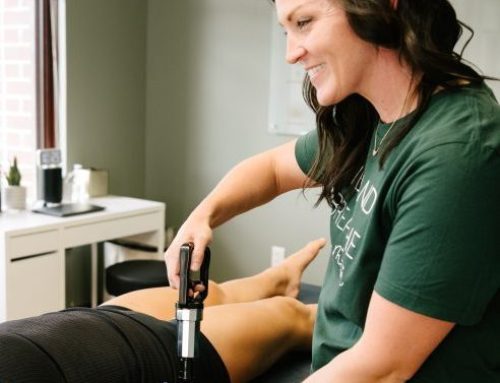
At Breathe in Motion, we use visceral therapy as part of a whole-body approach to help clients in Brookfield and Mequon address pain that hasn’t fully resolved with traditional treatment.
What Is Fascia and Why It Matters
Fascia is a thin, continuous web of connective tissue that surrounds:
- Muscles
- Bones
- Ligaments and tendons
- Organs
It allows structures in your body to move, glide and function efficiently.
When fascia becomes restricted, it can limit how tissues move—including your organs.
How Organ Mobility Affects Pain
Organs are not static.
They rely on small, natural movements to function properly.
When movement is restricted:
- Tension builds
- Surrounding tissues compensate
- Pain may show up in other areas
This is known as referred pain.
Common Organ-Related Referral Patterns
Pain doesn’t always point directly to the source.
Some common patterns include:
- Liver: right shoulder, neck, upper trapezius
- Bladder: tailbone, upper hamstrings
- Kidneys: low back, hips, outer thighs
- Stomach: mid-back
This is why some pain doesn’t respond to local treatment alone.
Signs Visceral Restrictions May Be Contributing
You may benefit from visceral therapy if you have:
- Persistent pain that hasn’t resolved with other care
- Pain that moves or feels inconsistent
- Pelvic, abdominal, or low back discomfort
- History of abdominal surgery, C-section, or scar tissue
- Symptoms that don’t match typical movement patterns
What Is Visceral Therapy?
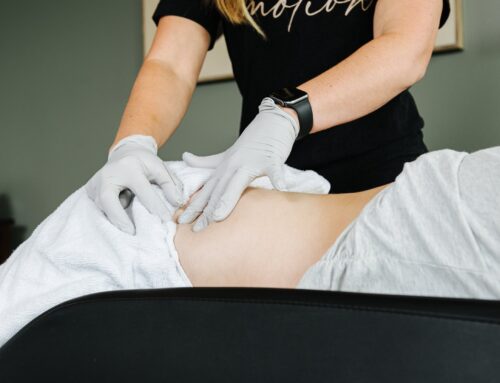
Visceral therapy is a gentle, hands-on technique that focuses on:
- Improving mobility of organs
- Reducing tension in surrounding tissues
- Supporting normal movement within the body
At Breathe in Motion, we use it as part of a larger plan—not a standalone treatment.
What to Expect During Treatment
Visceral therapy is very different from traditional deep tissue work.
Treatment involves:
- Light, specific pressure
- Guided breathing
- Subtle movement techniques
This allows the nervous system to relax & tissues to release more effectively.
Why Gentle Work Matters
Stronger pressure isn’t always better.
The body often responds best to:
- Low-load input
- Controlled, precise techniques
This helps:
- Reduce guarding
- Improve tissue mobility
- Restore natural movement
How Visceral Therapy Fits Into Your Plan
We don’t treat organs in isolation.
We combine visceral work with:
- Movement retraining
- Strength and stability work
- Breathing coordination
- Pelvic floor therapy
So changes carry over into how your body functions day to day.
The Goal: Restore Movement, Reduce Pain
When tissues can move the way they’re designed to:
- Tension decreases
- Pain improves
- The body functions more efficiently
Visceral Therapy in Brookfield & Mequon
If you’ve tried other treatments and still feel like something is missing, this is something we assess during a full evaluation.
Serving clients in Brookfield, Mequon, and the greater Milwaukee area.
Book your evaluation at Breathe in Motion to see if visceral therapy is the missing piece in your recovery.