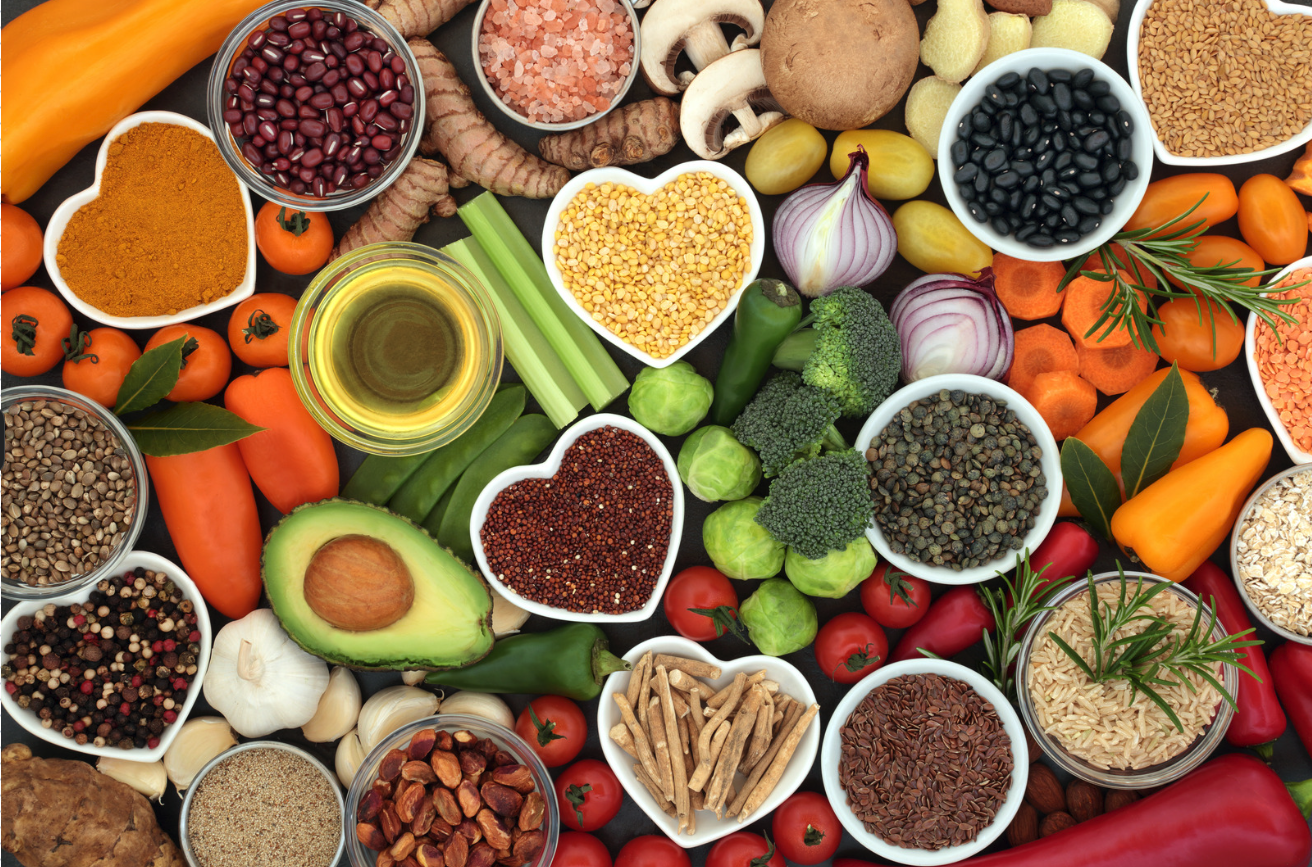
You may have heard that certain foods can increase or decrease inflammation in the body. Alongside physical therapy, paying attention to your diet can support healing and improve overall outcomes.
Some foods help lower inflammation and, when included regularly, may reduce symptoms and support recovery.
Anti-Inflammatory Foods
Fatty fish such as salmon, mackerel, tuna, and sardines
Fruits like strawberries, blueberries, cherries, tomatoes, and oranges
Green leafy vegetables including spinach and kale
Nuts such as almonds and walnuts
Olive oil, especially extra virgin olive oil
Spices That Support an Anti-Inflammatory Diet
Certain spices also help reduce inflammation and are easy to add to everyday meals. Pairing these with anti-inflammatory foods can further support joint and tissue health.
Turmeric: a yellow spice commonly used in South Asian cuisine that has been clinically shown to reduce inflammation
Ginger: contains gingerol and shogaol, compounds that help block inflammatory pathways
Cinnamon: rich in antioxidants that help repair cells damaged by inflammation
Cayenne: contains capsaicinoids, which help reduce inflammation
Garlic: adds flavor while supporting the body’s natural anti-inflammatory response
Foods That Can Increase Inflammation
Just as some foods reduce inflammation, others may increase it. Limiting these foods can play an important role in the healing process during physical therapy.
Alcohol
Aspartame, an artificial sweetener found in many “sugar-free” products and diet sodas
Monosodium glutamate (MSG), commonly found in soy sauce, some Asian cuisine, and processed foods like deli meats
Saturated fats, found in pizza, cheese, red meat, and full-fat dairy products
Sugar, which may appear on labels as fructose or sucrose
Trans fats (partially hydrogenated oils), commonly found in fast food, fried foods, margarine, shortening, and processed snacks
Refined white flour and white rice, often found in white breads and cereals
Nutrition alone does not replace physical therapy, but when combined with movement, strength training, and hands-on care, it can support recovery and long-term health. If you’re unsure how inflammation may be affecting your pain or healing, our team at Breathe In Motion is here to help guide you.