Functional Strength Training
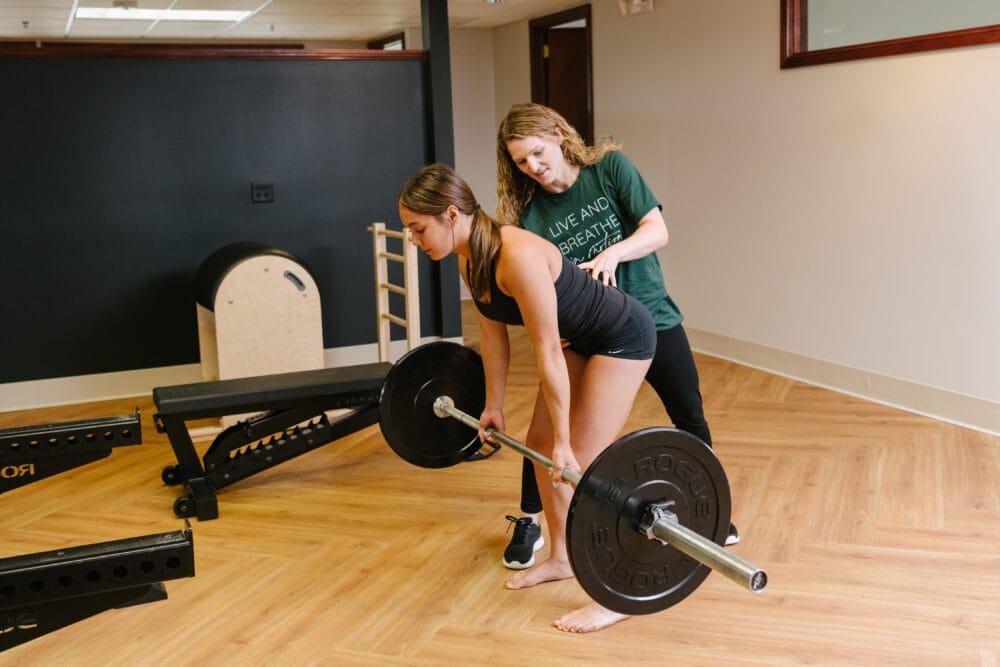
Functional strength focuses on the movement patterns you use every day. Rather than isolating one muscle at a time, it trains multiple muscle groups to work together. This is the same way the body is meant to move. In physical therapy, these patterns are essential for improving movement efficiency, reducing strain on joints, and supporting long-term function.
A great example is the squat. Squatting mirrors everyday actions like sitting down, standing up, and lifting objects from the floor. When trained properly, it builds strength through the hips, legs, and core while reinforcing healthy movement mechanics. Another powerful functional exercise is the farmer’s carry. This movement challenges grip strength, core stability, posture, and cardiovascular endurance. It also has direct real-life benefits—making it easier to carry groceries, lift kids, or manage heavy loads safely.
From a physical therapy perspective, functional strength training plays a major role in injury prevention and long-term joint health. By training the body to move with control and coordination, it helps reduce unnecessary stress on joints and tissues. It also supports balance, stability, and bone density, which are key for maintaining mobility and quality of life over time. For individuals managing joint pain or arthritis, functional strength can improve tolerance to daily activities while protecting vulnerable areas.
Functional strength training isn’t just about working out—it’s about moving better. When strength training is guided by physical therapy principles, it becomes a tool for improving performance, preventing injury, and supporting the demands of everyday life. If you’re not incorporating functional strength into your routine, you may be missing an opportunity to build strength that truly supports how you live and move.