Osteoporosis, or low bone density, affects 1 in 3 women over the age of 50 worldwide. Low bone density significantly increases the risk of fractures, most commonly in the hips, wrists, and spine. Many people don’t realize they have osteoporosis until a fracture occurs.
Although osteoporosis affects both men and women, women during and after menopause face the highest risk. Estrogen plays a key role in maintaining bone strength, and estrogen levels drop during menopause. Over time, this hormonal shift accelerates bone loss.
Lifestyle factors also influence bone density. A sedentary routine, excessive alcohol intake, tobacco use, and inadequate calorie or calcium intake can all weaken bones.
How to Protect Bone Health
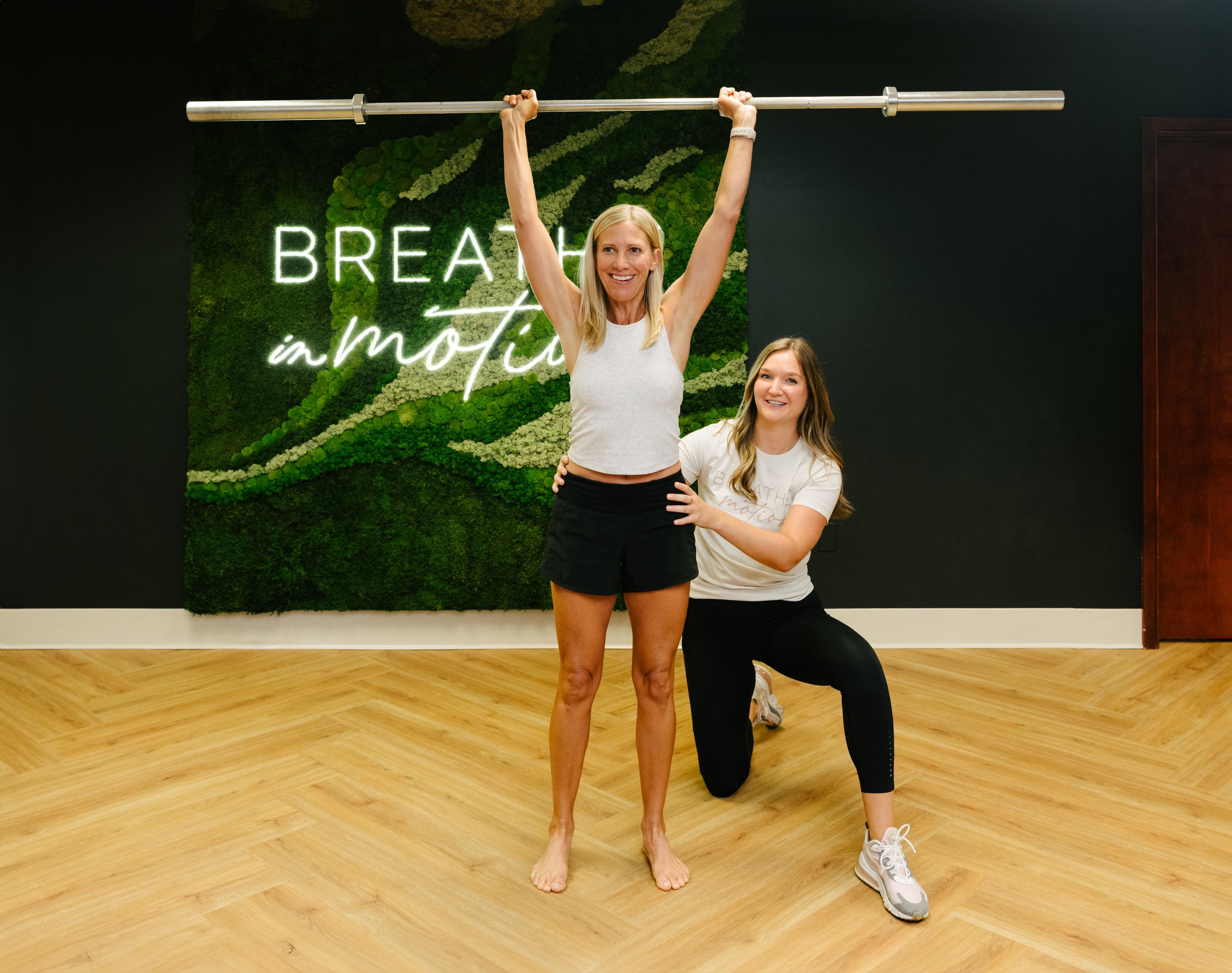
Strength training remains one of the most effective ways to support bone health. When combined with proper nutrition, regular strength training helps slow bone loss and reduces fracture risk.
Bones are living tissue. They respond to stress by becoming stronger. Two types of exercise create the greatest benefit for bone density: weight-bearing impact and muscle-strengthening exercises.
Weight-bearing impact activities include running, hopping, skipping, stair climbing, and stomping. These movements send force through the bones, stimulating them to adapt and reinforce their structure.
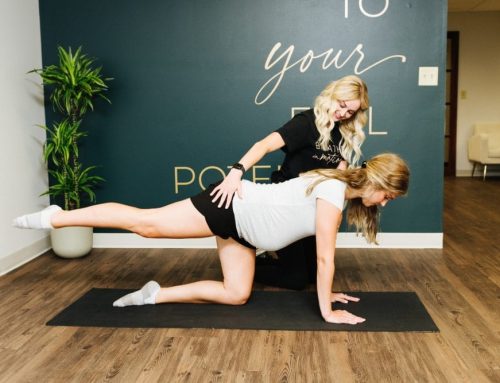
Muscle-strengthening exercises also support bone health. These can include bodyweight movements or resistance training with bands, dumbbells, or kettlebells. Strong muscles place healthy stress on bones, encouraging them to maintain density.
When to Start Strength Training
Starting strength and impact training earlier in life builds more resilient and healthier bones over time. Since all women will experience menopause, preparing the body beforehand makes a meaningful difference. That said, it is never too late to begin. Strength training remains beneficial at any age.
If you want to start a strength routine but feel unsure where to begin—or if pain is limiting your ability to exercise—we’re here to help. Our physical therapists specialize in guiding safe, effective movement and offer one-on-one Clinical Strength Training sessions tailored to your needs.