Bone health often gets overlooked—until something goes wrong.
Osteoporosis, or low bone density, affects 1 in 3 women over the age of 50 and significantly increases the risk of fractures, especially in the hips, spine, and wrists.
At Breathe in Motion, we help women in Brookfield and Mequon take a proactive approach to bone health—so they can stay strong, active, and confident long-term.
What Is Osteoporosis?
Osteoporosis is a condition where bones lose density and become more fragile.
This makes them more susceptible to fractures—even from:
- Minor falls
- Low-impact activities
- Everyday movements
Many people don’t know they have osteoporosis until a fracture occurs.
Why Women Are at Higher Risk
Bone health is closely tied to hormones—especially estrogen.
During menopause:
- Estrogen levels decline
- Bone breakdown increases
- Bone rebuilding slows
This shift accelerates bone loss over time.
Other Factors That Affect Bone Density
Lifestyle plays a major role in bone health.
Risk factors include:
- Sedentary lifestyle
- Low strength or muscle mass
- Inadequate calorie or calcium intake
- Tobacco use
- Excess alcohol consumption
These factors can compound over time and increase fracture risk.
The Most Effective Way to Improve Bone Health
Bones respond to stress.
When you place controlled load through your body bones adapt by becoming stronger.
The most effective strategies include:
1. Weight-Bearing Impact Exercise
These movements create force through the bones:
- Walking and stair climbing
- Running or jogging
- Hopping and jumping
- Skipping or light plyometrics
This type of loading stimulates bone growth and resilience.
2. Strength Training
Muscle pulls on bone—and that’s a good thing.
Strength training:
- Increases bone density
- Improves muscle mass
- Enhances balance and stability
Examples include:
- Bodyweight exercises
- Resistance bands
- Dumbbells or kettlebells
Why Strength Training Matters for Fracture Prevention
Strong bones are only part of the equation.
Strength training also improves:
- Balance
- Coordination
- Reaction time
This reduces the risk of falls—the most common cause of fractures.
When Should You Start?
Earlier is better—but it’s never too late.
Starting before menopause helps:
- Build stronger bone reserves
Starting after menopause still:
- Slows bone loss
- Improves strength
- Reduces fracture risk
Your body can adapt at any age.
What If You’re Nervous to Start?
Many people avoid strength training because of:
- Pain
- Fear of injury
- Uncertainty about what’s safe
That’s where guidance matters.
How Physical Therapy Helps Bone Health
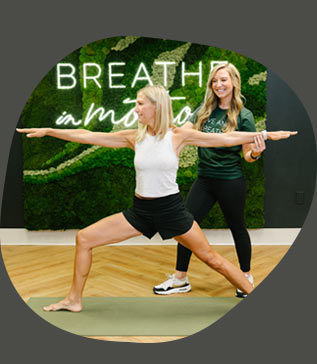
At Breathe in Motion, we create individualized plans that help you:
- Build strength safely
- Progress impact exercises appropriately
- Improve balance and coordination
- Move with confidence
Our Personal Training sessions are designed to meet you where you are—whether you’re just starting or returning to exercise.
The Goal: Strong, Resilient, Confident Movement
Bone health isn’t just about preventing fractures.
It’s about staying active, maintaining independence & feeling strong in your body.
Bone Health & Strength Training in Brookfield & Mequon
If you want to improve bone density, reduce fracture risk, or feel more confident starting strength training, this is exactly what we guide during your sessions.
Serving women in Brookfield, Mequon, and the greater Milwaukee area.
Book your evaluation at Breathe in Motion and start building strength that supports you for the long game.