A Guide for Exercising During Pregnancy for Brookfield & Mequon Women
Staying active during pregnancy is one of the best things you can do for your body—but it often comes with questions.
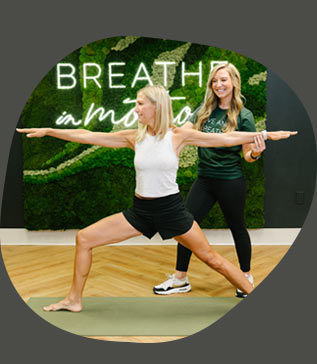
At Breathe in Motion, we work with pregnant athletes and active women in Brookfield and Mequon who want to keep moving safely while preparing their body for delivery and recovery.
Myth #1: Exercise Can Cause Miscarriage
Fact: Prenatal exercise is not associated with fetal mortality.
The American College of Obstetricians and Gynecologists (ACOG) recommends that healthy pregnant women aim for about 150 minutes of moderate-intensity aerobic activity per week.
Always consult your healthcare provider before starting or continuing an exercise program, especially if you have a high-risk pregnancy. For most women, movement supports both maternal and fetal health.
Myth #2: You Should Never Exercise on Your Back
Fact: Short periods of exercise on your back can be safe and effective.
If you feel dizzy, light-headed, or nauseous while lying on your back, adjust your position by propping yourself up with a pillow or wedge. Your body will give you feedback — listen to it and modify as needed.
Myth #3: Coning Causes Diastasis Recti
Fact: There is no evidence linking coning during pregnancy to postpartum diastasis recti.
Diastasis recti is a natural and expected adaptation during pregnancy as the abdomen expands. Coning may indicate altered abdominal recruitment or pressure management, but it is not something to fear. With proper guidance, core function can be supported throughout pregnancy and after delivery.
Myth #4: You Shouldn’t Lift More Than 20 Pounds
Fact: Strength training during pregnancy is safe for most women and offers meaningful benefits.
Women who continued lifting during pregnancy experienced lower rates of:
- Perinatal mood disorders
- Gestational hypertension
- Pre-eclampsia
- Gestational diabetes
Research has not shown an increased risk of miscarriage or adverse fetal outcomes in healthy pregnancies when strength training is appropriately performed.
Myth #5: Your Heart Rate Should Never Exceed 150 BPM
Fact: Higher heart rates during exercise have not been shown to negatively impact healthy pregnancies.
Women who exercised at intensities above 150 beats per minute had no adverse fetal effects. Some studies even showed slightly longer gestation and a reduced risk of premature delivery.
Rather than focusing on a strict heart rate number, use perceived exertion. Moderate intensity should allow you to speak in short sentences but not hold a full conversation comfortably.
Exercise During Pregnancy in Brookfield & Mequon
Working with a physical therapist during pregnancy can help you:
- Stay active safely
- Modify workouts as your body changes
- Reduce common symptoms like back pain or pelvic pressure
- Prepare your body for delivery and postpartum recovery
For most pregnancies, movement supports health.
Pregnancy is not a time to stop moving — it is a time to move with intention.
If you have questions about safe exercise during pregnancy, our team at Breathe In Motion Physical Therapy & Wellness specializes in pregnancy and postpartum care. Schedule an evaluation at our Brookfield or Mequon location and feel confident staying active throughout your pregnancy journey.