Scraping Therapy
Target the restriction. Restore the movement.
When recovering from injury or dealing with chronic pain, patients are often introduced to a range of treatment options designed to restore movement and relieve discomfort. One increasingly popular technique is scraping therapy, often referred to as Instrument-Assisted Soft Tissue Mobilization (IASTM). Though it may sound a bit intimidating, scraping therapy is a safe, effective tool that physical therapists use to accelerate recovery, reduce muscle tension, and improve long-term function.
What Is Scraping Therapy?
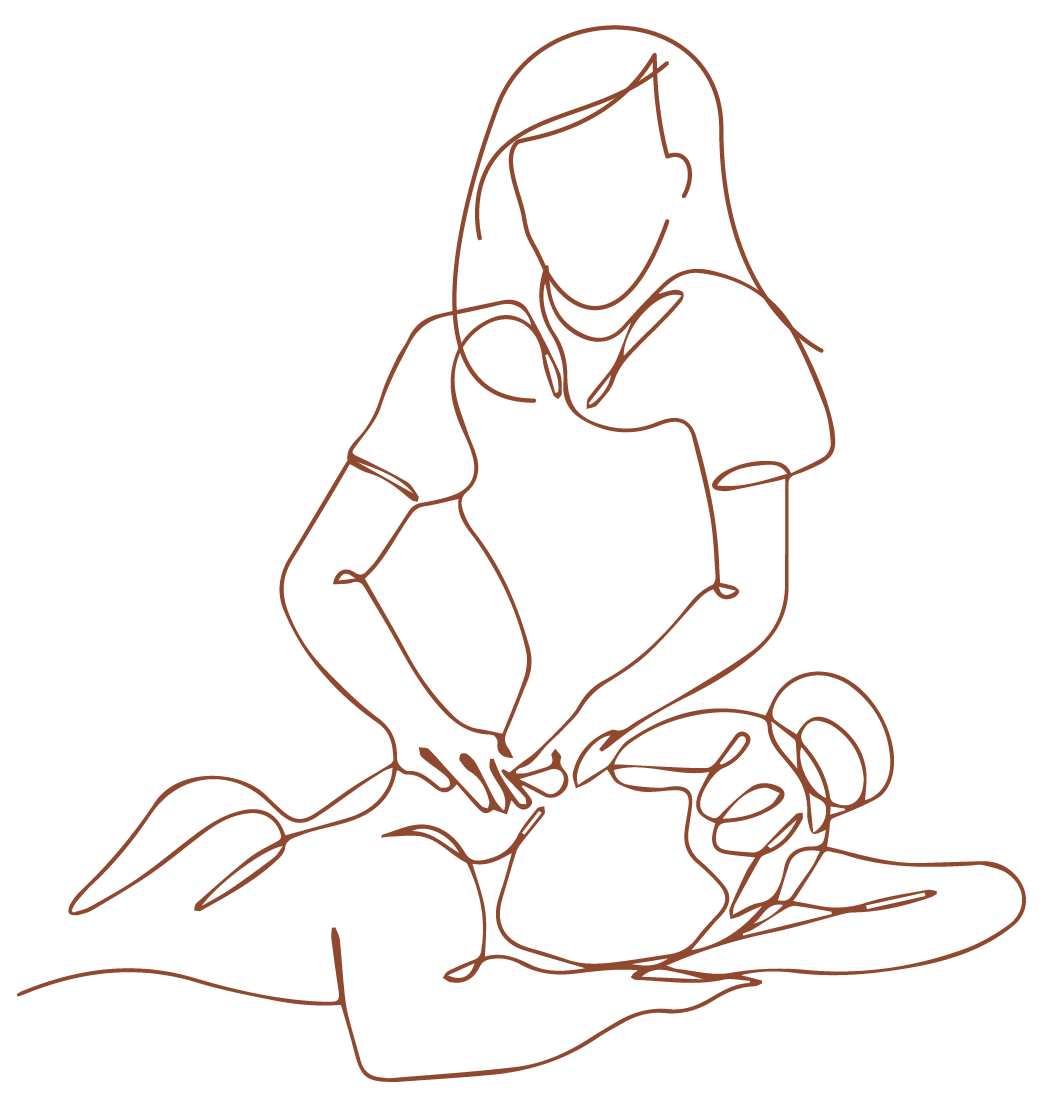
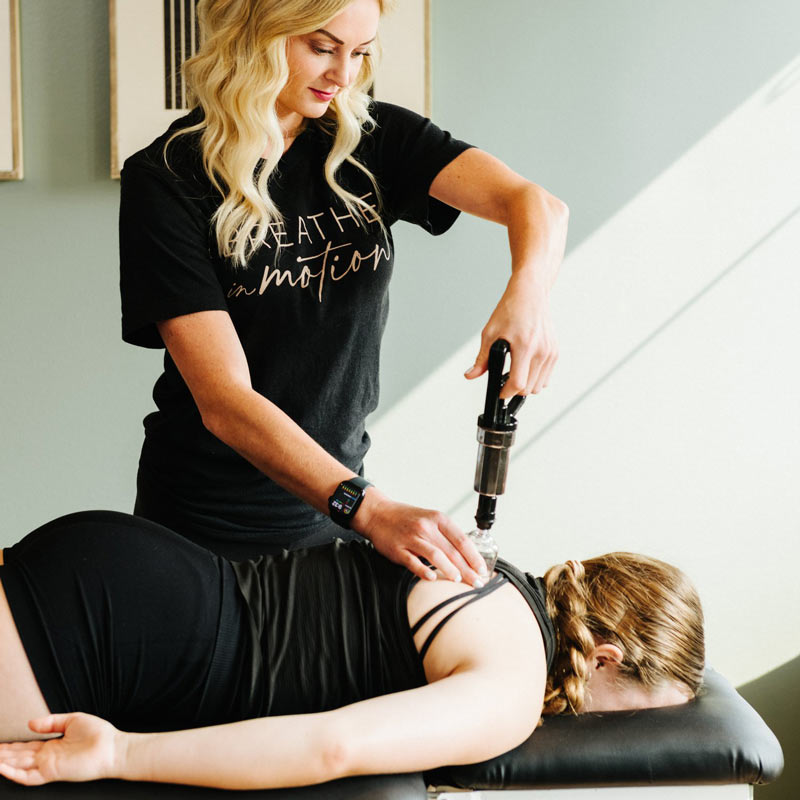
Scraping therapy involves using specialized tools — usually made of stainless steel or hard plastic — to apply pressure and gently “scrape” the skin and underlying soft tissues. This technique helps break down fascial restrictions, scar tissue, and adhesions in muscles and connective tissue.
You might hear it called by different names, including:
- IASTM (Instrument-Assisted Soft Tissue Mobilization)
- Graston Technique® (a branded version of IASTM)
- Gua Sha for muscle recovery (in holistic and wellness practices)
How Does It Work?
The scraping motion stimulates blood flow to the treated area, encourages lymphatic drainage, and promotes the body’s natural healing response. As the tool glides over muscle or fascia, the therapist can identify and treat areas of restriction, stiffness, or scar tissue buildup. This can lead to improved flexibility, reduced inflammation, and enhanced mobility for patients recovering from both acute injuries and chronic conditions.
Common Conditions Treated with Scraping Therapy
Scraping therapy can be beneficial for a wide range of musculoskeletal conditions, such as:
- Tendonitis (e.g. Achilles or patellar tendonitis)
- Plantar fasciitis treatment
- Carpal tunnel syndrome
- IT band syndrome
- Shin splints
- Chronic neck or back pain relief
- Post-surgical scar tissue therapy
- Muscle strains or sports injury recovery
What to Expect During a Scraping Session
During a session, your physical therapist will apply lotion to the skin, then use a tool to methodically scrape the area of concern. You may feel mild discomfort or a “deep massage” sensation. It’s not uncommon to experience redness or mild bruising afterward — this is a normal response to the increased circulation and tissue stimulation that occurs during the procedure.
Scraping is often combined with other treatments like stretching, corrective exercise, dry needling, and manual therapy to enhance results and promote a faster recovery.
Benefits of Scraping Therapy
- Pain Relief: Helps release muscle tension and trigger points.
- Improved Mobility: Breaks up adhesions that limit movement.
- Faster Recovery: Promotes circulation and cellular healing.
- Non-Invasive: A conservative alternative before considering injections or surgery.
Finding Relief Through Scraping Therapy
Scraping therapy is more than just a trend — it’s a clinically supported method that helps you recover faster, restore mobility, and return to the activities you love. Whether you’re an athlete working through a strain or someone dealing with chronic pain, adding scraping therapy to your physical therapy routine could be a game-changer.
Contact us today to schedule a session and experience how scraping therapy can support your healing journey.
Client Success Stories
Our treatments and services always begin with finding the root of any imbalances and pain. With our whole body approach, you’ll get moving AND FEELING YOUR BEST!


Carrie’s Story – Long-Distance Runner

Addie’s Story – Dancer
WHAT CLIENTS HAVE TO SAY