As spring arrives in Wisconsin, many people return to golf, yard work, and outdoor activities after a long winter off.
It feels good to get moving again—but that sudden increase in activity often comes with an unwelcome side effect: golfer’s elbow.
At Breathe in Motion, we see this pattern every year in Brookfield and Mequon. Elbow pain shows up when activity ramps up faster than the body is ready to handle.
What Is Golfer’s Elbow?
Golfer’s elbow (medial epicondylitis) is irritation of the tendons on the inside of the elbow.
These tendons help control:
- Grip strength
- Wrist flexion
- Forearm rotation
They’re used constantly in activities like:
- Golf
- Yard work
- Lifting
- Home projects
Despite the name, golfer’s elbow affects far more than golfers.
Why Golfer’s Elbow Is Common in the Spring
During the winter months, activity levels often decrease.
That can lead to:
- Reduced grip strength
- Decreased forearm endurance
- Limited shoulder stability
- Increased stiffness
When spring hits, many people jump back into:
- Full rounds of golf
- Long days of yard work
- Weekend home projects
Without rebuilding strength first, the tendons at the elbow become overloaded.
Common Symptoms of Golfer’s Elbow
Golfer’s elbow often presents as:
- Pain or tenderness on the inside of the elbow
- Discomfort with gripping, lifting, or swinging
- Weakness in the forearm or hand
- Pain that worsens with activity and improves with rest
Without proper treatment, symptoms can linger or worsen as activity continues.
Why Elbow Pain Keeps Coming Back
Rest may calm symptoms—but it doesn’t address why the tendon became overloaded.
Golfer’s elbow tends to persist when:
- Strength and endurance aren’t rebuilt
- The shoulder and upper body aren’t supporting movement
- Activity increases too quickly
- Movement patterns overload the forearm
Until those factors change, the cycle continues.
How Physical Therapy Treats Golfer’s Elbow
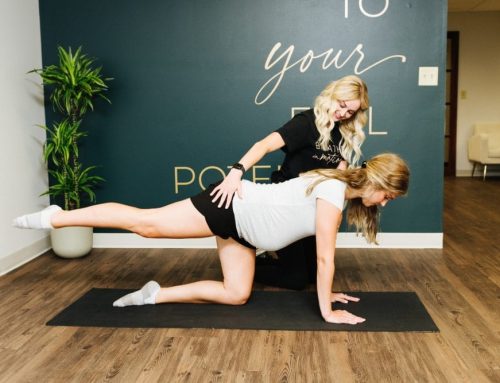
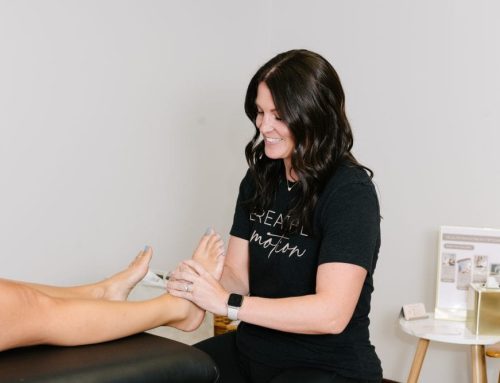
At Breathe in Motion, we take a full-body approach to elbow pain.
1. Reduce Irritation While Keeping You Active
We modify activity so you can keep moving without worsening symptoms.
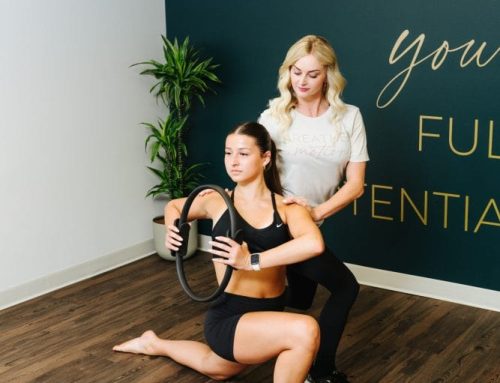
2. Build Strength and Endurance
We strengthen:
- Forearm and grip muscles
- Shoulder and upper back
- Wrist and elbow stabilizers
This helps distribute load more effectively.
3. Improve Movement Mechanics
We assess how you:
- Grip
- Lift
- Swing (for golfers)
Small adjustments can reduce repetitive stress on the elbow.
4. Guide a Gradual Return to Activity
We help you:
- Progress golf volume safely
- Return to yard work without flare-ups
- Build tolerance to repetitive tasks
How to Prevent Golfer’s Elbow This Spring
To reduce your risk:
- Gradually increase activity instead of jumping in full force
- Build grip and forearm strength before long sessions
- Take breaks during repetitive tasks
- Address stiffness and mobility early
Preparing your body before activity ramps up can make a big difference.
When to See a Physical Therapist
It’s time to get evaluated if:
- Pain persists beyond a few weeks
- Symptoms worsen with activity
- Grip strength feels limited
- Elbow pain is affecting golf, work, or daily tasks
Early treatment can shorten recovery and prevent long-term issues.
The Goal: Stay Active Without Elbow Pain
Golfer’s elbow doesn’t mean you need to stop doing what you enjoy.
It means your body needs a better way to handle load.
When strength, endurance, and movement improve, you can return to activity without recurring pain.
Ready to Get Back to Spring Activities Pain-Free?
If elbow pain is limiting your golf, workouts, or yard work, this is exactly what we assess during a full evaluation.
Serving active adults and athletes in Brookfield, Mequon, and the greater Milwaukee area.
Book your physical therapy evaluation at Breathe in Motion and get a plan built for your body, your activity, and your goals.