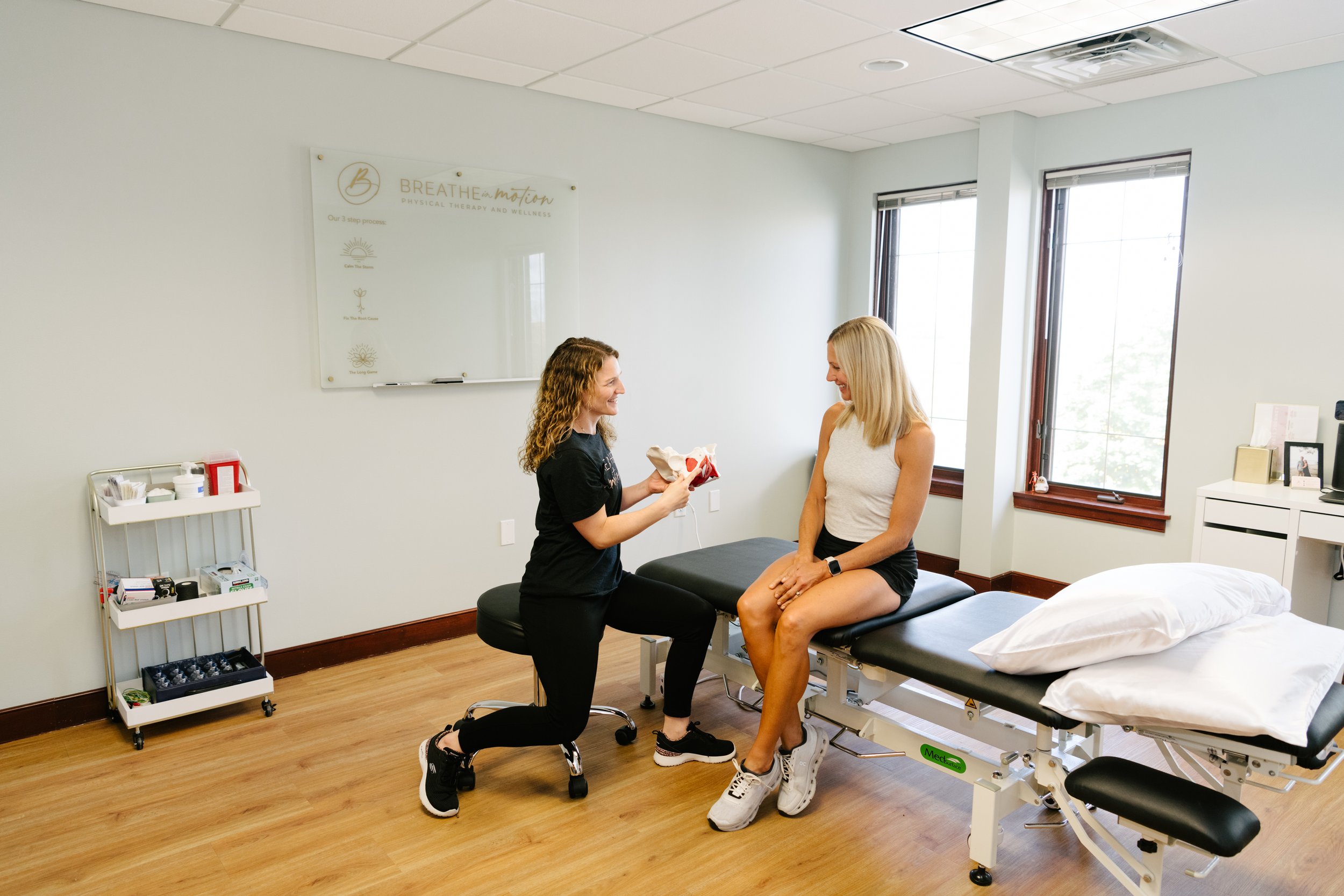
Your pelvic floor is a group of muscles at the base of your pelvis that supports your bladder, uterus, and rectum.
These muscles play a major role in:
- Bladder and bowel control
- Core stability
- Pressure management during movement
Most people don’t think about their pelvic floor until symptoms show up.
At Breathe in Motion, we help women in Brookfield and Mequon understand how everyday habits impact pelvic floor function—and how small changes can prevent issues like leaking, pressure, and discomfort.
How Your Pelvic Floor and Bladder Work Together
Your bladder and pelvic floor work as a team.
When you urinate:
- The bladder contracts
- The pelvic floor relaxes
When this coordination is disrupted, symptoms like:
- Urinary leakage
- Incomplete emptying
- Pelvic pressure
Can start to appear.
Daily habits play a bigger role in this than most people realize.
4 Common Habits That Affect Pelvic Floor Health
1. Hovering or Squatting Over the Toilet
If your feet aren’t supported or you’re hovering over the toilet, your pelvic floor can’t fully relax.
This can lead to:
- Pushing to urinate
- Incomplete emptying
- Increased pelvic floor tension
What to do instead:
- Sit fully on the toilet
- Keep your feet supported
- Allow your pelvic floor to relax
Using a stool (like a squatty potty) can improve positioning and make it easier to fully empty.
2. Going “Just in Case”
Your bladder is designed to signal when it’s time to go.
Going to the bathroom before you actually feel the urge can:
- Disrupt normal bladder signaling
- Lead to frequent urges
- Contribute to leakage over time
What to do instead:
- Trust your body’s signals
- Avoid unnecessary trips to the bathroom
3. Not Drinking Enough Water
Hydration directly impacts bladder health.
When you don’t drink enough water:
- Urine becomes more concentrated
- The bladder becomes more irritated
- Urgency and discomfort can increase
What to do instead:
- Aim for consistent hydration throughout the day
- Use strategies that help you drink more (water bottle, flavoring, etc.)
4. Holding Your Breath During Exercise
Holding your breath during workouts increases pressure in your abdomen.
This can contribute to:
- Pelvic floor strain
- Leakage
- Prolapse symptoms
- Core dysfunction
What to do instead:
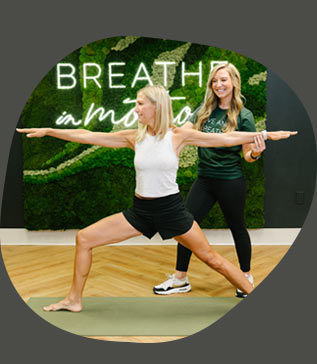
- Coordinate your breath with movement
- Exhale during effort
- Avoid excessive bearing down
Why These Habits Matter for Long-Term Pelvic Health
Over time, small habits can contribute to:
- Urinary leakage
- Pelvic organ prolapse
- Pain with intercourse
- Pelvic or low back discomfort
These symptoms often build gradually—which is why early awareness matters.
How Pelvic Floor Physical Therapy Helps
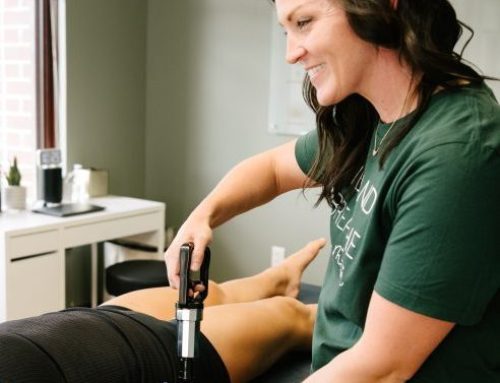
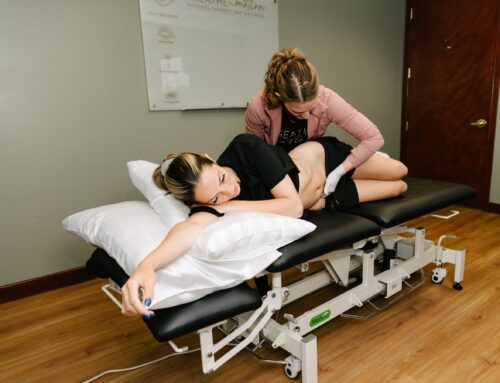
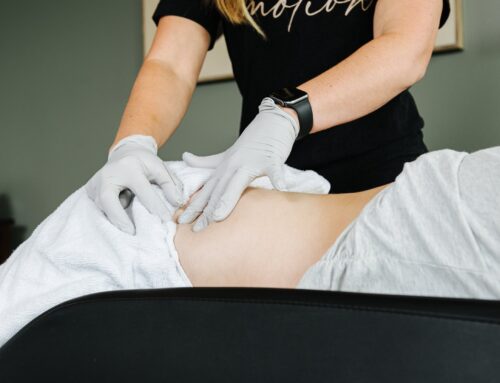
At Breathe in Motion, we go beyond symptoms to understand how your entire system is functioning.
We assess:
- Pelvic floor coordination
- Breathing patterns
- Core strength and control
- Movement habits
Then create a plan that helps you:
- Improve bladder control
- Reduce pressure and symptoms
- Move and exercise with confidence
When to See a Pelvic Floor Physical Therapist
Consider an evaluation if you notice:
- Leakage with exercise or daily activity
- Frequent urgency or incomplete emptying
- Pelvic pressure or heaviness
- Pain in the pelvis or with intercourse
Addressing these early can prevent more significant issues later.
Pelvic Floor Physical Therapy in Brookfield & Mequon
Your pelvic floor supports you every day—your habits should support it too.
Serving active women and athletes in Brookfield, Mequon, and the greater Milwaukee area.
Book your pelvic floor physical therapy evaluation at Breathe in Motion and get a plan built for your body, your symptoms, and your goals.