“Are squats bad for my knees?”
We hear this all the time.
The answer is no.
When performed well, squats are one of the most beneficial movements for your body.
At Breathe in Motion, we help clients in Brookfield and Mequon build strong, efficient squat patterns that support both performance and long-term joint health.
Why Squats Matter
Squats are not just a gym exercise.
They are a foundational movement you use every day:
- Sitting down
- Standing up
- Picking something up from the floor
Avoiding squats doesn’t protect your body.
It often leads to decreased strength reduced mobility less confidence with movement.
How Squats Support Knee Health
Your knees don’t work in isolation.
They rely on support from:
- Hips
- Core
- Surrounding muscles
When these areas are strong and coordinated, the knees handle load more efficiently.
Benefits of Squatting
1. Build Strength Where It Matters
Squats strengthen:
- Glutes
- Quadriceps
- Hamstrings
- Core
Strong muscles reduce unnecessary stress on the knees and support better movement.
2. Improve Everyday Function
Squatting directly translates to daily life.
Training this pattern helps:
- Make movements feel easier
- Improve control and efficiency
- Reduce strain during everyday tasks
3. Support Joint Health
Squats:
- Improve mobility
- Help circulate joint fluid
- Distribute forces more evenly through the hips and knees
They also support bone health by loading the body in a way that encourages strength and resilience.
4. Improve Body Awareness and Control
Squats train:
- Balance
- Coordination
- Motor control
This reduces injury risk and improves performance in sport and training.
Why Squats Sometimes Cause Pain
If squats feel uncomfortable, it’s usually not the squat itself—it’s how your body is moving.
Common contributors include:
- Limited ankle or hip mobility
- Weakness in the hips or core
- Poor movement mechanics
- Doing too much too soon
These are all things that can be addressed.
How to Squat Safely
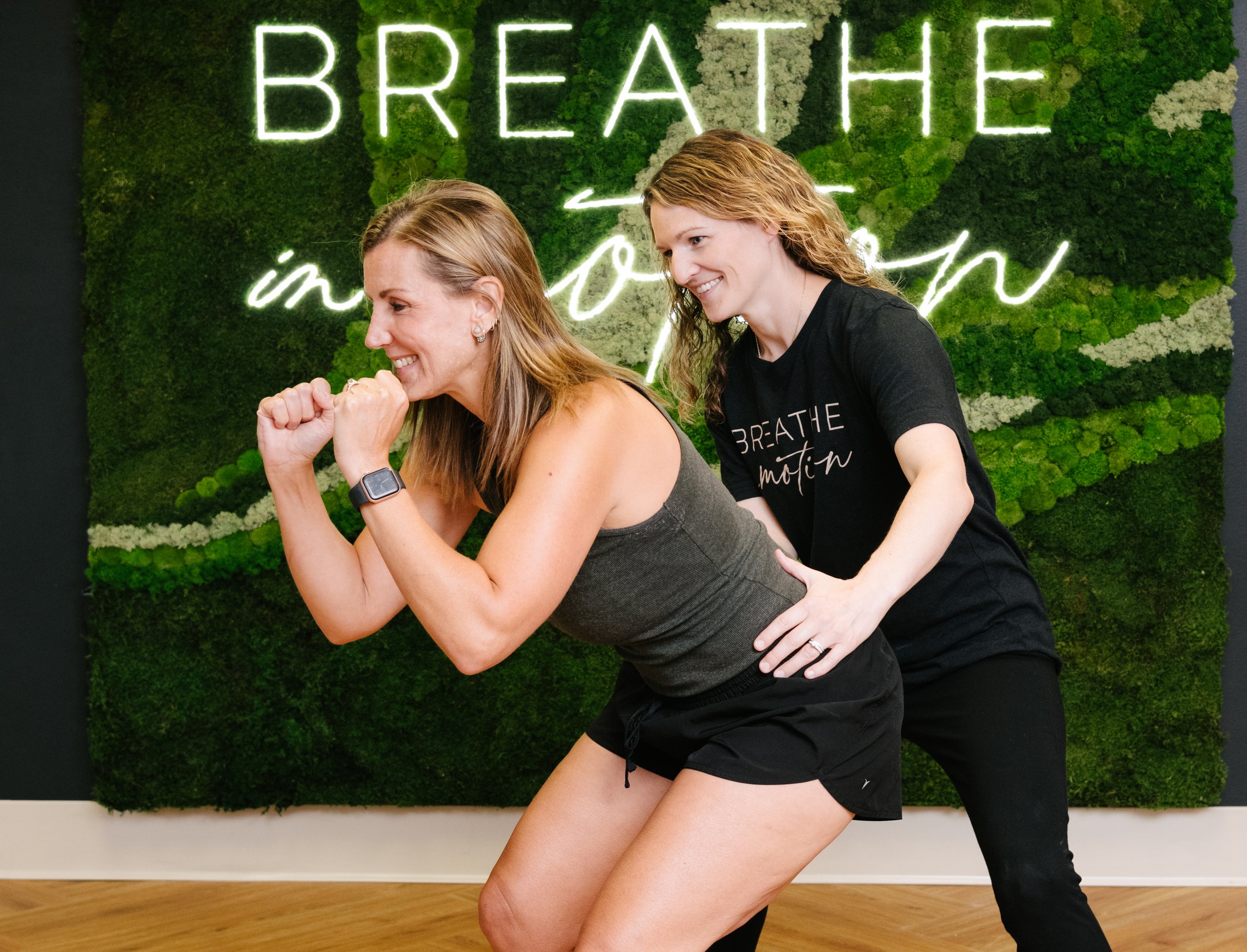
Good technique makes all the difference.
When squatting:
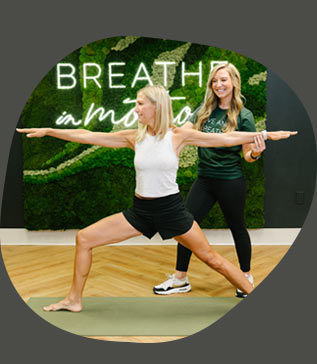
- Keep your chest tall and spine neutral
- Push your hips back like you’re sitting into a chair
- Keep your knees tracking in line with your toes
- Move within a range that feels controlled
Most importantly squats should be adapted to your body—not forced into one “perfect” form.
Squats Are Not One-Size-Fits-All
There are many ways to modify squats based on:
- Mobility
- Strength
- Injury history
- Goals
Options may include:
- Box squats
- Supported squats
- Goblet squats
- Reduced range of motion
How Physical Therapy Helps
At Breathe in Motion, we assess:
- Your squat mechanics
- Mobility limitations
- Strength imbalances
Then build a plan to improve movement, reduce pain, & progress your strength safely.
The Goal: Move Strong and Confident
Squats shouldn’t feel intimidating.
They should feel:
- Strong
- Controlled
- Efficient
Strength & Movement Training in Brookfield & Mequon
If squats feel uncomfortable or you’re unsure how to perform them safely, this is exactly what we assess during your sessions.
Serving clients in Brookfield, Mequon, and the greater Milwaukee area.
Book your evaluation at Breathe in Motion and get back to training with confidence.