ACL Injury Prevention for Female Athletes in Milwaukee: What Actually Reduces Risk
ACL injuries are one of the most common—and most disruptive—injuries we see in female athletes. They don’t just impact a season. They affect confidence, performance, and long-term joint health.
The good news: many ACL injuries are preventable.
It comes down to how your body moves, absorbs force, and controls load during high-demand movements like cutting, landing, and sprinting.
Why Female Athletes Are at Higher Risk for ACL Injuries
Female athletes experience ACL tears at significantly higher rates than males in the same sports. That increased risk comes from a combination of factors—not just one issue.
1. Movement Patterns That Increase Knee Stress
This is where we see the biggest opportunity to reduce risk.
Common patterns that increase ACL strain:
Knees collapsing inward during landing
Quad-dominant movement strategies
Reduced hamstring activation
Poor hip stability and trunk control
These patterns shift more load directly onto the knee—especially during cutting and jumping.
2. Strength and Control Deficits
Without enough strength and control through the hips, core, and posterior chain, the knee becomes the primary stabilizer.
That’s where overload happens.
3. Anatomical and Hormonal Influences
Structure and hormonal fluctuations can influence how forces move through the knee and how stable joints feel during training.
These factors matter—but they’re not the ones you can change.
Movement and strength are.
How ACL Injuries Typically Happen
Most ACL tears are non-contact injuries.
They often occur during:
Pivoting on a planted foot
Sudden changes of direction
Landing from a jump
Rapid deceleration
Athletes often describe a “pop,” followed by swelling, pain, and instability.
Why Prevention Training Matters
ACL injuries don’t come out of nowhere.
They build from:
Poor force control
Repetitive movement patterns
Fatigue that breaks down mechanics
The right training changes how your body handles these moments.
What Actually Reduces ACL Injury Risk
At Breathe in Motion, ACL prevention focuses on improving how your body moves under load—not just building strength in isolation.
1. Movement Screening
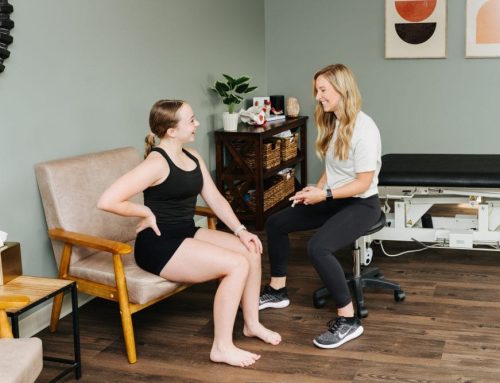
We identify how you move before problems show up.
This includes:
Jump and landing mechanics
Single-leg control
Asymmetries between sides
Catching these early allows for targeted correction.
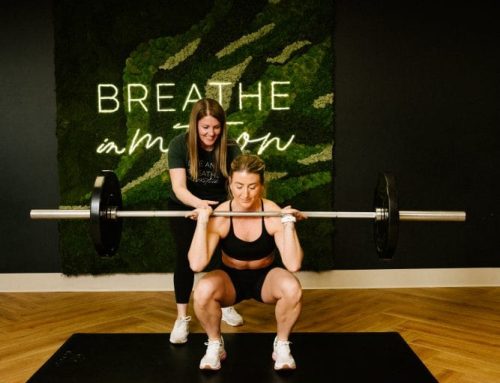
2. Strength Training That Transfers to Sport
Strength isn’t just about lifting—it’s about control.
We focus on:
Glutes and posterior chain
Hamstrings for deceleration control
Quadriceps for force production
Core for trunk stability
3. Plyometric Training (Jump Training Done Right)
Athletes learn how to:
Absorb force efficiently
Control knee alignment
Decelerate safely
This is where many ACL injuries can be prevented.
4. Neuromuscular Training
This improves coordination and body awareness during sport.
Training includes:
Cutting mechanics
Change-of-direction drills
Balance and reaction work
Sport-specific movement retraining
When to Start ACL Prevention Training
The best time to start is before pain or injury shows up.
But it’s especially important if:
You play cutting or pivoting sports
You’ve had a previous ACL injury
You notice poor landing mechanics
You feel unstable during sport
What Most Athletes Miss
Many athletes train hard—but not in the right way for injury prevention.
They focus on:
Strength numbers
Conditioning
Skill work
But skip:
Movement quality
Single-leg control
Deceleration training
That’s where risk lives.
Build a Stronger, More Resilient Athlete
ACL injuries can change the course of an athlete’s career—but they don’t have to.
When you train movement, strength, and control together, you reduce risk and improve performance at the same time.
Ready to Reduce Your Risk and Train Smarter?
If you’re a female athlete, parent, or coach looking to prevent ACL injuries or return stronger after one, this is exactly what we assess in a full evaluation.
Serving athletes in Brookfield and Mequon who want to stay in their sport—not on the sidelines.
Book an evaluation at Breathe in Motion and build a plan that supports long-term performance and resilience.