Helping Dancers Improve Their Turnout in Brookfield & Mequon
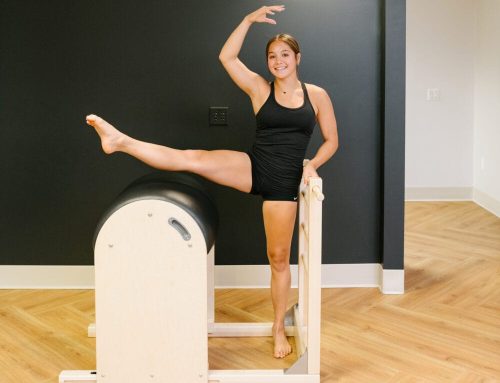
Turnout is one of the most emphasized aspects of dance technique.
But many dancers are taught to “push” turnout—often from the feet or knees—without fully understanding where it should actually come from.
True turnout starts at the hips.
At Breathe in Motion, we help dancers in Brookfield and Mequon build turnout that is strong, controlled, and sustainable—so they can improve technique without increasing injury risk.
What Is Turnout in Dance?
Turnout refers to the outward rotation of the legs.
This movement should originate from the hip joint.
Not the:
- Knees
- Ankles
- Feet
When turnout is driven from the right place, dancers can:
- Maintain alignment
- Generate control
- Reduce stress on joints
Why Forcing Turnout Leads to Injury
When dancers try to create turnout from the wrong areas, the body compensates.
Common compensations include:
- Rolling in the feet (pronation)
- Twisting at the knees
- Gripping through the hips or glutes
Over time, this can lead to:
- Knee pain
- Ankle injuries
- Foot pain
- Hip irritation
What Limits Turnout at the Hips
Not all turnout limitations are due to flexibility.
In many dancers, the limiting factor is strength and control.
Common contributors include:
1. Hip Strength Deficits
The deep hip rotators help control turnout.
If they’re weak, dancers often:
- Force range
- Lose alignment
- Fatigue quickly
2. Lack of Core and Pelvic Control
Your core stabilizes your pelvis.
Without that control:
- Turnout becomes inconsistent
- Compensation increases
3. Joint Structure (Anatomy)
Each dancer’s hip structure is different.
Some dancers naturally have:
- More turnout available
- Less turnout available
Forcing beyond your structure increases injury risk.
4. Over-Reliance on Flexibility
Flexibility alone doesn’t create usable turnout.
Without strength to support it:
- Range becomes unstable
- Technique breaks down under fatigue
What Proper Turnout Should Feel Like
When turnout is coming from the hips, dancers should feel:
- Control through the hips—not the knees or feet
- Even weight distribution through the foot
- Ability to maintain turnout during movement
Not just when standing still.
How Physical Therapy Helps Improve Turnout
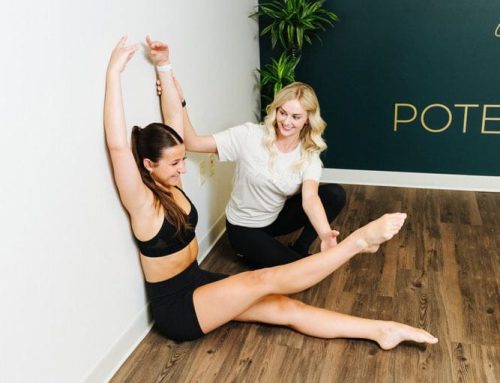
At Breathe in Motion, we focus on building turnout that dancers can actually use in training and performance.
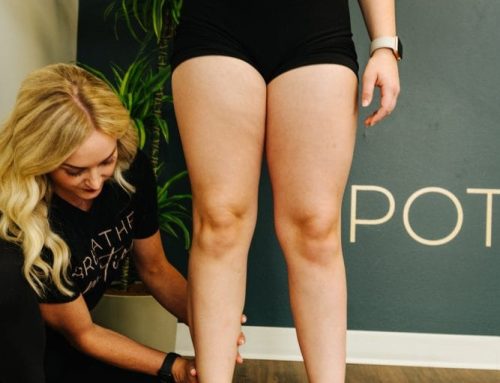
1. Assess Hip Mobility and Structure
We determine:
- Available hip rotation
- Where limitations are coming from
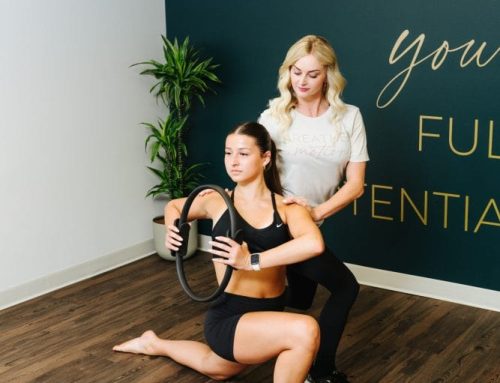
2. Build Strength in the Right Muscles
We strengthen:
- Deep hip rotators
- Glutes
- Core
So turnout is supported—not forced.
3. Improve Control Through Full Range
We train dancers to:
- Maintain turnout during movement
- Control transitions and landings
4. Reduce Compensation Patterns
We correct:
- Foot rolling
- Knee stress
- Over-gripping
To protect joints long-term.
The Goal: Strong, Controlled Turnout
Turnout isn’t about how far you can push your feet.
It’s about how well your hips can:
- create
- control
- sustain
That position.
Dance Physical Therapy in Brookfield & Mequon
If turnout feels forced, inconsistent, or is leading to pain, this is exactly what we assess during a full evaluation.
Serving dancers in Brookfield, Mequon, and the greater Milwaukee area across all styles.
Book your dance physical therapy evaluation at Breathe in Motion and get a plan built for your body, your technique, and your goals.