Dancers are often praised for flexibility, lines, and artistry—but long-term performance and injury prevention depend just as much on stability.
The shoulders and hips act as key control centers for the body. When they lack stability, dancers are more likely to experience overuse injuries, pain, and inconsistent technique.
At Breathe in Motion, we work with dancers in Brookfield and Mequon to build the strength and control needed to support demanding choreography—without sacrificing artistry.
What Is Stability and Why Does It Matter for Dancers?
Stability is your body’s ability to control joint position during movement.
For dancers, that means maintaining alignment while:
- Jumping
- Turning
- Lifting
- Moving through extreme ranges of motion
When stability is limited, the body compensates—borrowing motion from other joints or tissues. Over time, this increases stress on tendons, ligaments, and joints, leading to injury.
The Role of Hip Stability in Dancers
The hips play a central role in nearly every dance movement.
They:
- Transfer force between the upper and lower body
- Control turnout and alignment
- Support balance and landing mechanics
Poor hip stability can contribute to:
- Knee pain and overuse injuries
- Ankle sprains and foot stress injuries
- Hip impingement or labral irritation
- Reduced power and control during jumps and turns
Strong, stable hips allow dancers to absorb impact, control turnout safely, and maintain alignment during dynamic movement.
Why Shoulder Stability Matters in Dance
Shoulder stability is often overlooked—but it plays a major role in performance.
It’s essential for:
- Port de bras
- Partnering and lifts
- Floor work
- Upper-body control
Without adequate stability, dancers may experience:
- Shoulder or neck pain
- Upper-back tension
- Poor arm placement or early fatigue
- Increased strain during lifts or weight-bearing movements
When the shoulder is stable, dancers can move with control and express artistry without overloading surrounding areas.
Flexibility Without Stability Increases Injury Risk
Many dancers have exceptional mobility—but without strength to control that range, joints become more vulnerable.
This is especially important for hypermobile dancers.
Stability training helps:
- Protect joints
- Improve control through end ranges
- Maintain flexibility while reducing injury risk
How Stability Training Improves Dance Performance
Stability training doesn’t just reduce injury risk—it improves how you move.
Dancers often notice:
- Cleaner lines and more consistent technique
- Better balance and turn control
- Stronger, more efficient jumps
- Less fatigue during rehearsals and performances
When your body is stable, you move with control instead of compensation.
How Dance Physical Therapy Builds Stability
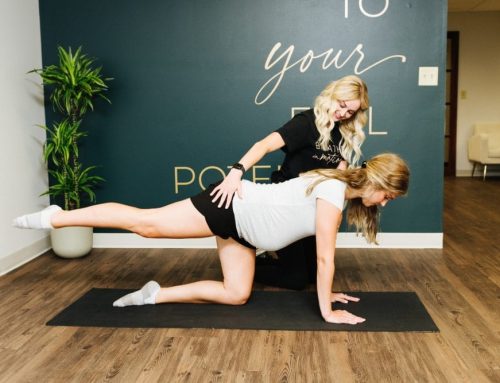
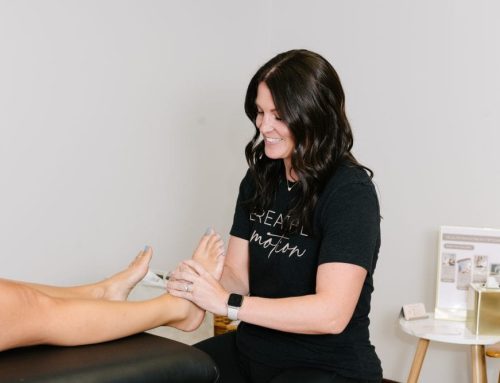
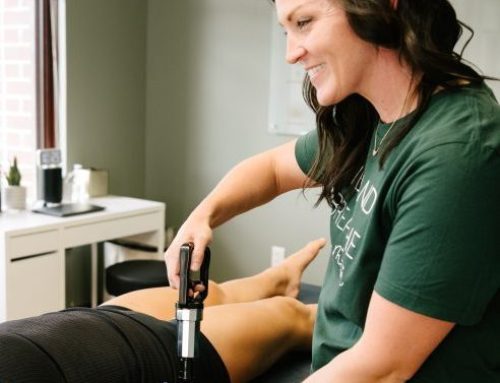
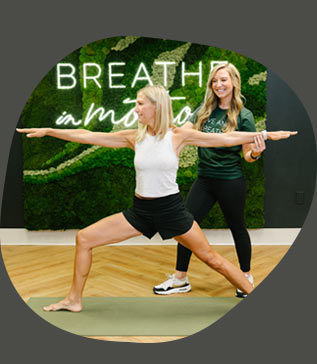
At Breathe in Motion, we take a full-body approach to dancer care.
We assess how you move—not just where you’re flexible or strong—and build a plan that supports your technique and training.
Your program may include:
- Hip and shoulder strengthening in end-range positions
- Core integration and coordination training
- Landing mechanics and impact control
- Movement progressions that translate directly to dance
Supporting Long-Term Dance Health
Injury prevention in dance isn’t about doing less—it’s about training smarter.
Shoulder and hip stability training helps dancers:
- Stay consistent in training
- Reduce time lost to injury
- Improve performance quality
- Build long-term resilience
When to See a Dance Physical Therapist
Consider getting evaluated if you:
- Have recurring pain in the hips, shoulders, or back
- Feel unstable during turns, jumps, or lifts
- Notice fatigue or loss of control during class
- Are increasing training or preparing for performances
Addressing these early helps you stay in class and keep progressing.
Ready to Improve Stability and Stay Injury-Free?
If you’re dealing with pain, instability, or looking to improve performance, this is exactly what we assess during a full evaluation.
Serving dancers in Brookfield, Mequon, and the greater Milwaukee area.
Book your dance physical therapy evaluation at Breathe in Motion and build strength, control, and confidence in your movement.