Breathwork is Your Foundation for Brookfield & Mequon Women
Breathwork gets labeled as something for stress relief or recovery days.
But for many active women, dancers, gymnasts, and runners, breathing is directly tied to performance, control, and pelvic floor function.
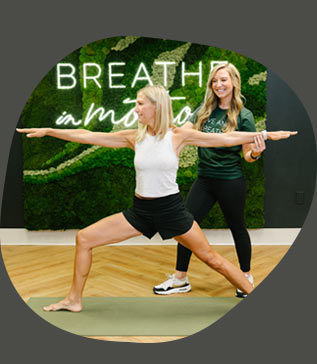
At Breathe in Motion, we help athletes in Brookfield and Mequon understand how their breath, core, and pelvic floor work together and why that connection matters for both symptoms and performance.
How Breathing Connects to the Pelvic Floor
Your diaphragm, core, and pelvic floor function as a system.
When you inhale:
The diaphragm moves down
The rib cage expands
The pelvic floor lengthens
When you exhale:
The diaphragm moves up
The ribs come in
The pelvic floor gently lifts
This is how your body manages pressure.
It allows you to:
Stabilize during movement
Transfer force efficiently
Control load through your system
When this coordination is off, the pelvic floor often takes on more stress than it should.
What Happens When Breathing and the Pelvic Floor Aren’t Coordinated
When breathing patterns are not working well, we often see:
Pelvic floor tightness or overactivity
Difficulty relaxing the pelvic floor
Leakage with impact or exercise
Pelvic pressure or heaviness
Low back, hip, or abdominal discomfort
This is not just a pelvic floor issue.
It is a system coordination issue.
Why This Matters for Dancers, Gymnasts, and Runners
Each of these athletes places unique demands on the body, but they all rely on effective pressure management.
Dancers
Dancers spend a lot of time in extended positions and end ranges.
If the rib cage flares and the core is not coordinating with breath:
The pelvic floor can become overactive
The low back can take on more load
Control in movement decreases
This often shows up as tightness that never fully resolves.
Gymnasts
Gymnastics requires:
Overhead strength
High impact landings
Strong midline control
If breath is not coordinated:
Pressure is pushed downward
The pelvic floor becomes overloaded
Stability during skills is compromised
This can contribute to both pelvic floor symptoms and performance limitations.
Runners
Running is repetitive and high impact.
If breathing is shallow or disconnected:
The body struggles to manage pressure
The pelvic floor absorbs more load
Leakage and discomfort become more likely
Over time, inefficiencies in breathing can contribute to both symptoms and fatigue.
Signs Your Breathing May Be Contributing to Symptoms
You might not think about your breathing during movement, but there are clues.
You may notice:
Holding your breath during effort
Rib cage flaring with movement
Difficulty controlling core engagement
Symptoms like leakage or pressure during activity
Persistent tightness that stretching does not fix
These patterns suggest the system is not working together.
Why Strength Alone Isn’t Enough
Many athletes focus on strengthening the core and pelvic floor.
But without coordination:
More strength can increase tension
The pelvic floor may stay in a constant “on” position
Symptoms can persist or even worsen
The goal is not just strength.
It is timing, coordination, and adaptability.
How Physical Therapy Addresses Breath and Pelvic Floor Function
At Breathe in Motion, we take a full system approach for athletes in Brookfield, Mequon, and the greater Milwaukee area.
1. Restore Breathing Mechanics
We retrain:
Diaphragm movement
Rib cage expansion
Breath control during movement
2. Improve Pelvic Floor Coordination
We help you:
Learn how to relax and contract appropriately
Match pelvic floor function to your breath
3. Integrate Into Movement
We apply this coordination to:
Strength training
Dance, gymnastics, or running specific movements
Impact and load
4. Build Strength on Top of Coordination
Once the system is working together, we strengthen:
Core
Hips
Pelvic floor
In a way that supports performance without increasing tension.
The Goal: A System That Works Together
Your breath, core, and pelvic floor should not be working against each other.
They should be:
Coordinated
Responsive
Adaptable to the demands of your sport
When that happens, athletes often notice:
Less tightness
Improved control
Reduced symptoms
Better performance
Pelvic Floor Physical Therapy in Brookfield and Mequon
If you are dealing with pelvic floor symptoms, persistent tightness, or feel like your body is not responding the way it should during training, this is exactly what we assess during a full evaluation.
We work with dancers, gymnasts, runners, and active women across Brookfield, Mequon, and the greater Milwaukee area to build plans that match your body and your goals.
Book your pelvic floor physical therapy evaluation at Breathe in Motion and start building a system that works with you, not against you.